
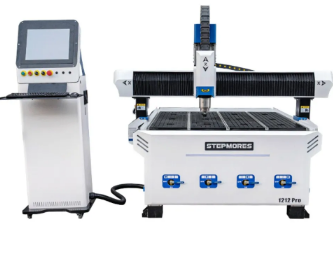
Precision Engineering for Brand-Accurate Signage and Promotional Items
Sub-millimeter Tolerance in Acrylic, PVC, and Foam Core Lettering
CNC routers today can achieve around 0.1mm accuracy when working with materials crucial to branding such as acrylics, PVCs, and foam cores. This level of precision makes sure all parts of signs match perfectly from one location to another, which matters a lot for logos and text consistency across multiple sites. Manual cutting just doesn't compare because computer controlled paths prevent those annoying size variations that happen when making lots of letters at once. For illuminated acrylic channel letters specifically, tiny mistakes really matter since they create unwanted light leaks. The software these machines run also helps maximize material usage through smart nesting techniques. This becomes particularly important when dealing with very thin materials below 3mm thickness where waste reduction counts for both quality and cost savings.
High-Fidelity Engraving and 3D Carving for Branded Surfaces
V-bit engraving tools can hit over 200 DPI resolution when working on everything from tough aluminum composites to rough wood textures, making those brand logos look almost photo quality. What this means for businesses is that their promotional stuff like awards plaques or store signage becomes something customers can actually touch and remember. When it comes to adding depth to branding efforts, there's nothing quite like 3-axis contour carving for creating those raised logos on round objects or irregular shapes. Traditional flatbed printers just don't stand a chance against that kind of detail work. The latest numbers from manufacturing efficiency studies show these methods cut down on mistakes by around two thirds compared to old school hand etching techniques for complex designs. Companies are starting to realize the real value here goes beyond just looks.
- Consistent depth control (±0.05mm) across 100+ units
- Zero blurring on fine details like serif fonts
- Adaptive tool pressure for delicate or porous materials
Material Versatility: One CNC Router Machine for Diverse Advertising Substrates
Optimized Toolpath Adaptation Across Rigid and Flexible Materials
Modern CNC router machines dynamically adjust spindle speeds, feed rates, and cutting depths to handle substrates spanning rigid acrylic and PVC to flexible foam coreâminimizing thermal burn on thermoplastics and preventing tear-out on porous woods. Key capabilities include:
- Automatic RPM calibration for metals (e.g., aluminum, brass) versus composites
- Pressure-sensitive toolpaths that prevent deformation in thin acrylic sheets
- Chip load optimization tailored to material density (e.g., 18,000 RPM for HDPE vs. 24,000 RPM for MDF)
This adaptability ensures consistent edge quality across signage, dimensional letters, and custom displaysâeliminating the need for secondary finishing.
Nesting Intelligence That Minimizes Waste on Mixed-Material Jobs
CAM software that's advanced cuts down on material expenses somewhere around 15 to maybe even 30 percent thanks to those smart nesting algorithms. Fabricators working in advertising can now combine different types of materials like acrylic, PVC and aluminum all onto one sheet. What makes this work so well is how the system automatically rotates parts to get the most out of leftover stock. It also knows when to pay attention to grain directions for things like wood veneers or textured plastics. One big name manufacturer saw their waste drop by about 27 percent during these mixed campaign runs. For shops dealing with all sorts of customer requests day after day, this kind of efficiency boost really adds up over time.
Production Efficiency: Speed, Automation, and Consistency in Ad Manufacturing
Cycle Time Reduction vs. Manual Routing in High-Volume Sign Production
CNC router machines cut production cycles by up to 70% compared to manual routing for high-volume acrylic or aluminum sign orders. Automated tool changes and optimized feed rates support uninterrupted 24/7 operationâcritical for meeting tight deadlines on time-sensitive promotional campaigns.
Error Mitigation Through Repeatable G-Code Execution and Probe-Based Calibration
The Ponemon Institute found that mistakes made during traditional routing cost companies around $740,000 each year in wasted materials according to their 2023 research. CNC routers change the game because they run the same G-code every time and use those fancy touch probes to calibrate accurately. These machines can maintain tolerances within about 0.1mm even when making thousands of identical branded displays. When we talk about such tight specifications, it really cuts down on expensive fixes later on. For advertisers working against tight deadlines, this kind of precision helps protect bottom lines from unexpected costs creeping in during production runs.
Design Freedom Enabled by Multi-Axis CNC Router Machine Capabilities
When it comes to advertising fabrication, multi axis CNC routers (think 5 axis and even 6 axis models) open up whole new worlds of creativity that just aren't possible with standard 3 axis machines. What makes these systems special? They move cutting tools around on those extra rotational axes, so they can mill from several different angles all at once without anyone having to stop and reposition things manually. For shops working on intricate sign work or detailed promotional displays, this means quicker setups overall, less chance of getting alignment wrong during production runs, and most importantly for clients wanting their branding to look consistent across all materials.
This allows advertisers to create curved acrylic signs, dimensional letters, and all sorts of shaped promotional displays in one go, even when they need tricky deep undercuts or complex curves. When designers want to put logos and textures on materials like wood, PVC, or aluminum, the process maintains strength without compromising quality. The machines keep things super accurate, within about half a thousandth of an inch across multiple angles. That means all branded surfaces, whether they have sloped edges or raised patterns, end up exactly as clients asked for. This kind of precision matters a lot for marketing efforts where three-dimensional elements really stand out and catch attention.
FAQs
What is the precision level of CNC routers when working with materials like acrylic and PVC?
CNC routers can achieve around 0.1mm accuracy with materials such as acrylics, PVCs, and foam cores, ensuring perfect matching of sign parts across various locations.
How do CNC routers improve material usage?
The software used by CNC routers helps maximize material usage through smart nesting techniques, especially with very thin materials below 3mm thickness.
What are the advantages of using multi-axis CNC routers?
Multi-axis CNC routers enable complex designs by moving cutting tools around extra rotational axes, allowing for creative and detailed promotional displays without manual repositioning.
How do advanced CAM software and CNC routers reduce waste?
Advanced CAM software optimizes material expenses by utilizing smart nesting algorithms, significantly reducing waste, sometimes by up to 27%.
Table of Contents
- Precision Engineering for Brand-Accurate Signage and Promotional Items
- Material Versatility: One CNC Router Machine for Diverse Advertising Substrates
- Production Efficiency: Speed, Automation, and Consistency in Ad Manufacturing
- Design Freedom Enabled by Multi-Axis CNC Router Machine Capabilities
- FAQs