
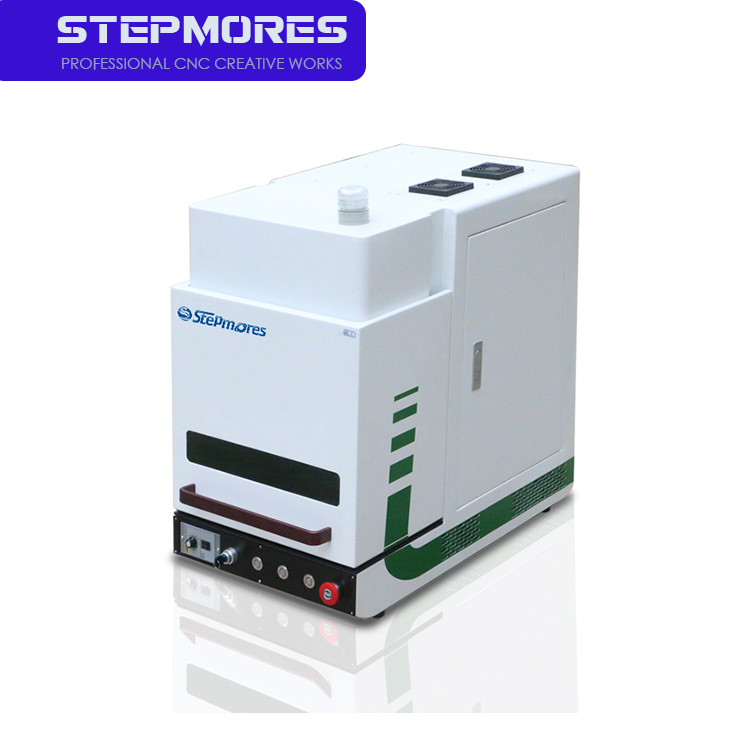
How a Laser Welding Machine Works: Core Principles and Process Physics
Photon energy delivery, material absorption, and plasma plume management
Laser welding machines work by concentrating intense beams of light on tiny spots, creating heat that can reach over 10,000 degrees Celsius. How well materials absorb this energy varies quite a bit - around 5% for shiny aluminum versus more than 95% for rusty steel surfaces. When heated so quickly, the metal turns to vapor, creating what's called a keyhole shape with a plasma cloud forming around it. Without proper control, this plasma cloud messes with the beam path, making the welding process less efficient and causing problems in the final joint. Most welders use argon or helium gas around the beam to keep this plasma under control and maintain good penetration into the material. Studies indicate these shielding gases can boost how deep the weld goes by as much as 40%. Getting the shape of this vapor channel right matters a lot when working with different metals that conduct heat at varying rates.
Conduction-mode vs. keyhole-mode welding: selecting for precision or penetration
Laser welding works through two main modes based on how much power is packed into each square centimeter: conduction mode below about 0.5 MW per cm squared, and keyhole mode above around 1.0 MW per cm squared. When operating in conduction mode, the laser primarily heats the surface area, resulting in those shallow welds with smooth finishes. These are great for delicate parts where too much heat would cause problems, think tiny sensors or thin metal foils put together. Switching to keyhole mode creates something different entirely. The intense energy causes deep vaporization, forming what looks like a small tunnel or cavity in the material. This allows for really strong welds that go all the way through materials sometimes reaching depths of up to 25 mm in steel without adding excessive heat to surrounding areas.
| Parameter | Conduction Mode | Keyhole Mode |
|---|---|---|
| Power Density | <0.5 MW/cm² | >1.0 MW/cm² |
| Weld Depth | <1 mm | 0.2–25 mm |
| Heat-Affected Zone (HAZ) | Narrow | Minimal |
| Applications | Foil joining, sensors | Engine blocks, ship hulls |
Modern pulsed fiber lasers can dynamically shift between modes within a single weld pass—enabling both fine edge control and structural integrity in complex multi-layer joints.
Precision Advantages of the Laser Welding Machine
Sub-0.1 mm weld accuracy in micro-joints and intricate geometries
Laser welding can maintain position repeatability down to around ±5 microns, with weld widths typically staying below 0.1 mm. These specs are pretty important when making sure things stay sealed tight in pacemaker casings, those tiny MEMS sensors, and connecting battery tabs together. The reason behind such precision? Most systems use computer controlled galvanometers to steer the laser beam, plus adaptive optics that adjust on the fly for any small bumps on surfaces or temperature changes during operation. Another big plus is that since it doesn't touch what it's welding, there's absolutely zero tool wear affecting quality over time. Manufacturers working with micro joining tasks have seen some impressive results too. A recent survey showed they experienced about 30 percent fewer defects needing rework when switching from traditional resistance or ultrasonic techniques to laser welding instead.
Ultra-narrow heat-affected zone (HAZ) and near-zero thermal distortion
Laser technology concentrates energy so intensely in both space and time that it creates heat affected zones (HAZ) measuring less than half a millimeter wide. These are actually around 80 percent narrower compared to what we see with traditional arc welding methods. The result? Much less grain growth happens during the process, and there aren't as many phase changes taking place. This means the base metal retains most of its original strength properties, typically staying within about five percent of pre-weld levels. When metals cool down really fast after laser welding, sometimes reaching millions of degrees per second, this helps reduce problems like residual stress and warping. For thin materials below two tenths of a millimeter thick or precision parts used in aircraft construction, these benefits matter a lot. Manufacturers regularly achieve straightness tolerances as tight as 0.05 mm per meter without needing any additional corrections after welding. According to industry research, roughly nine out of ten applications using this technique completely skip the straightening process altogether.
Material Compatibility and Challenges for Laser Welding Machines
Welding aluminum, copper, and stainless steel: managing reflectivity and thermal conductivity
Aluminum, copper, and stainless steel all create their own headaches because of how they interact with light and heat. Aluminum reflects most infrared radiation (around 90% reflection rate) and copper transfers heat at lightning speed (about 400 W/m·K, which is roughly 1.5 times faster than steel). This makes it tough to maintain consistent energy transfer during welding, leading to problems like unstable melt pools or annoying spatter. To fix these issues, welders typically increase peak power levels, adjust pulse shapes specifically for each material, and sometimes move the laser beam around to spread out the heat better. Stainless steel presents different challenges since it's not as reflective but doesn't conduct heat well either. Without careful control, this can cause hot spots and warping. Getting the right balance means adjusting pulse lengths and managing heat input properly so the metal stays strong and resists corrosion. Preparing surfaces matters too. Simple tricks like chemical etching or applying special coatings can actually increase light absorption by anywhere from 40% to 60%, turning previously impossible welds into reliable connections. Material thickness is another big factor. Thin copper sheets under 0.5mm need ultra-fast pulses to avoid burning through, while thicker aluminum parts generally work best with keyhole mode welding to get complete penetration.
Selecting the Right Laser Welding Machine: Fiber vs. CO₂, Power, and Beam Quality
Fiber lasers have become the go-to choice for most industrial welding jobs these days because they work better with reflective metals, take up less space, need less maintenance, and convert electricity to light much more efficiently than other options. These lasers produce really good beam quality around M squared values between 1.1 and 1.5, which means they can create spots smaller than 100 microns. That makes them perfect for delicate micro welding tasks and those fast paced battery tab connections that are so important in electric vehicle manufacturing. CO2 lasers still find their place when dealing with super thick materials over 15mm or working with non metals, though they come with higher running costs and are more sensitive to alignment issues. The relationship between power output and penetration depth is pretty straightforward too. A 1.5 kW system will handle about 5mm steel, whereas someone needing to weld through 15mm material would want at least a 6 kW unit. But here's the catch nobody talks about enough beam quality matters just as much as sheer power numbers. Operators should focus more on getting reliable, consistent beam delivery rather than chasing maximum wattage specs if they want fewer defects and predictable outcomes during mass production cycles.
Real-World Industrial Applications of Laser Welding Machines
Automotive battery manufacturing: high-speed, high-reliability tab welding
Pulsed fiber laser welding in electric vehicle batteries can produce around 200 solid joints every minute, something really important when putting together those prismatic and pouch cells. The fact that it doesn't touch the materials being joined means no electrode contamination happens, plus it gets consistent penetration through tricky copper-aluminum connections that give arc welding methods so much trouble. This kind of dependable performance helps meet those tough UL 1642 and ISO 6469 standards for preventing thermal runaway situations. Top producers are seeing about 98% success on their first attempt at module level welding work, which makes a big difference in how safe the battery packs end up being, not to mention better energy storage capacity and longer driving ranges for vehicles overall.
Medical device assembly and aerospace components: hermeticity and certification requirements
When it comes to implantable medical devices such as pacemakers and neurostimulators, laser welding creates those really tight seals that keep everything sealed properly. These seals have leak rates down around 10 to the minus nine mbar liters per second, which actually goes beyond what both ISO 13485 and ASTM F2029 standards require. What makes this technology so good is that the heat affected zone stays extremely narrow, preventing those tiny cracks from forming in titanium casings while maintaining the necessary biocompatibility properties without needing any extra annealing after welding. Looking at aerospace applications now, the keyhole mode approach to laser welding results in welds with almost full density, about 99.97% in fact, when working with nickel based superalloys commonly found in turbine blades and parts of aircraft fuel systems. Processes that meet certification standards show impressive precision too, with just 0.03 mm variation in position according to FAA AC 20-107B and similar EASA guidelines. This level of accuracy helps manufacturers save weight by optimizing how seams are shaped and cuts down on expensive additional machining or inspection work that would otherwise be needed.
FAQ Section
What is a laser welding machine?
A laser welding machine is a device that uses lasers to concentrate beams of light onto small spots to generate heat, which melts and fuses materials, allowing for precise welding of metal components.
What types of materials can be welded using laser welding machines?
Laser welding machines can weld a variety of materials including aluminum, copper, stainless steel, and nickel-based superalloys.
What is the difference between conduction mode and keyhole mode in laser welding?
Conduction mode focuses primarily on surface heating resulting in shallow welds, whereas keyhole mode uses intense energy to create deep vaporization for strong welds with minimal heat-affected zones.
How does laser welding benefit manufacturers?
Benefits include sub-0.1 mm weld accuracy, ultra-narrow heat-affected zones, minimal thermal distortion, and the ability to weld without direct contact, preventing tool wear and increasing reliability.
Table of Contents
- How a Laser Welding Machine Works: Core Principles and Process Physics
- Precision Advantages of the Laser Welding Machine
- Material Compatibility and Challenges for Laser Welding Machines
- Selecting the Right Laser Welding Machine: Fiber vs. CO₂, Power, and Beam Quality
- Real-World Industrial Applications of Laser Welding Machines
- FAQ Section