
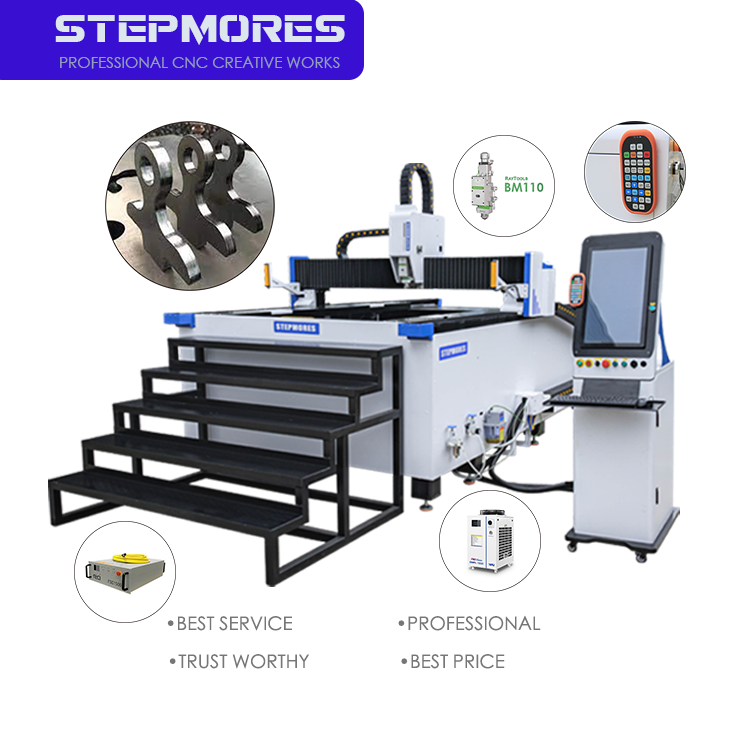
Unmatched Precision and Consistency with CNC Leather Cutting Machines
How CAD-Integrated CNC Systems Eliminate Human Error in Pattern Cutting
Old school leather cutting by hand really relies on how good the person is at their job, which leads to inconsistent results when it comes to edges, grain direction, and how accurate the measurements turn out. Modern CNC machines have changed the game completely. They work with CAD software to take digital designs and make them into super precise physical cuts. No more guessing or relying on someone's hand-eye coordination anymore. The machines can repeat the same cut over and over again with just a tiny margin of error, around 0.1 mm difference. This works for everything from those tricky curved pieces needed for handbags right down to the complicated shapes required for shoe uppers. Workers don't need decades of training under a master craftsman to produce consistently high quality products anymore because the system handles most of the precision work itself.
- Automatically adjusts cutting depth based on real-time thickness sensing
- Detects surface flaws (e.g., scars, wrinkles) using integrated vision systems
- Monitors blade wear and triggers maintenance alerts before performance degrades
Data-Backed Accuracy: 99.2% Cut Consistency in Tier-1 Apparel Factories (ITMA 2023)
According to a recent 2023 report from ITMA looking at 47 major clothing manufacturers, factories that switched to CNC leather cutting machines saw amazing results. These machines maintained consistent cuts at around 99.2% accuracy over 18,000+ production runs, which is actually pretty impressive when compared to traditional hand cutting techniques that lag behind by about 12.7%. The real benefit comes down to how much material gets wasted. Human workers typically toss out around 15% of leather because their cuts aren't always perfect, but CNC systems bring that number down below 3%. They do this through smart software that arranges patterns efficiently and makes sure every piece fits exactly where it should go. A big name in the shoe industry actually saved themselves close to $740,000 last year after switching to these machines, according to Ponemon's research from 2023. Most of those savings came from not having to redo bad cuts or deal with extra work caused by imperfect initial cuts.
Tangible Cost Savings and Faster ROI Through CNC Leather Cutting Automation
Reducing Fabric Waste from 15% to <3% – Impact on Margins for Small-Mid Garment Brands
The introduction of CNC technology in leather cutting has really changed how much material gets wasted for smaller and medium sized brands. Traditional methods often end up wasting around 15% of expensive hides because people aren't always consistent with where they cut things and sometimes their hands drift off track during the process. But with CNC machines, waste stays under 3%, which makes a huge difference. Take a company that works with about 5,000 hides each year for instance. According to some research from Ponemon back in 2023, reducing waste by those 12 percentage points can bring back roughly seven hundred forty thousand dollars annually. And there's another benefit too. Automated systems cut down on rework costs by nearly a quarter on average, saving all those extra labor hours that would otherwise go into fixing mistakes and sorting through quality issues. When we look at both these factors together, businesses see their return on investment coming faster than expected, usually between eight to fourteen months. That means money saved can be redirected towards developing new designs, launching green programs, or expanding into new markets altogether.
AI-Optimized Nesting and Real-Time Material Utilization Tracking
Modern CNC systems now come equipped with smart nesting software powered by artificial intelligence. These tools don't just pack materials tightly together; they actually look out for flaws in the raw material too, such as scars, areas where the skin stretches differently, or weird grain patterns. The real magic happens through live dashboards that track exactly how much material gets used down to the last square inch. This reveals problems that old batch reports simply missed, like all those little bits lost when trimming edges or inconsistencies in how hides were graded, which used to let around 17% of material slip away unnoticed. As these systems collect more data over months and years, they get better at what they do, reaching almost 99% efficiency with materials. That matters a lot when working with rare or specialty hides that cost a fortune. Detailed tracking helps companies plan their inventory smarter too. Midsize operations report cutting storage costs nearly in half thanks to this tech, plus it makes it easier to keep tabs on where materials come from and supports ethical sourcing practices across the board.
Adaptive Versatility: Handling Delicates, Knits, and Heavy Textiles on One CNC Leather Cutting Machine
Smart Tooling & Vision Alignment for Silk, Stretch Denim, and Bonded Composites
Today's CNC leather cutters can work with all sorts of materials while still keeping things accurate because they have these smart tools and vision systems built in. When dealing with something as delicate as silk, special vacuum beds hold the fabric tight without stretching it out of shape. The machine actually looks at how the fibers run through the material and changes where it cuts so the finished product keeps its natural look and feel. Stretchy denim presents another challenge entirely. These machines use blades that move back and forth controlled by servos, adjusting both how fast they vibrate and how hard they press against the material to stop it from pulling or distorting. At maximum speed, they stay within about 0.3 mm of perfect measurements. For those tricky composite materials made from multiple layers stuck together, thermal cameras scan around to find where the glue is distributed. Based on what it sees, the machine automatically switches between different cutting tools during operation: regular knives for surface cuts, ultrasonic devices for thicker parts, and special creasing tools for folding areas. All this happens seamlessly in one setup. Add AI-based nesting capabilities into the mix, and manufacturers no longer need to recalibrate their equipment when switching materials. This cuts down on downtime significantly compared to older methods, saving roughly 70% of the time previously spent changing over between different production runs.
CNC Leather Cutting vs. Alternative Methods: When Precision, Scale, and Material Integrity Matter Most
High quality leather work demands precision, and for this CNC tech really stands out compared to those laser and waterjet methods we've all heard about. Let's face it, natural leathers just don't take kindly to heat from lasers. They end up scorched, discolored, sometimes even hardened at the edges. Waterjets? Those bad boys soak everything they touch. We've seen laminated products warp, shrink, and lose their glue lines after waterjet treatment. CNC cuts differently though. It works cold and makes direct contact with the material, so the fibers stay intact, finishes remain smooth, and the feel of the leather isn't compromised. Talk to anyone running production lines and they'll tell you CNC machines can slice through multiple layers at once, way faster than lasers ever could according to those benchmarks from ITMA folks last year. When manufacturers need consistent results across thousands of pieces while maintaining the exact character of premium hides, there's simply no better option than investing in a good CNC leather cutting system for the long haul.
Frequently Asked Questions
What is the main advantage of using CNC leather cutting machines?
CNC leather cutting machines offer unmatched precision and consistency by utilizing CAD software to create exact digital designs, which can be accurately replicated.
How much material waste is reduced by CNC systems?
CNC systems reduce fabric waste from traditional methods by lowering leather waste to below 3% compared to about 15% waste encountered with manual cutting.
Can CNC machines handle different types of textiles?
Yes, CNC leather cutting machines are highly versatile, capable of handling delicate fabrics like silk, as well as heavy textiles such as stretch denim and bonded composites efficiently.
Table of Contents
- Unmatched Precision and Consistency with CNC Leather Cutting Machines
- Tangible Cost Savings and Faster ROI Through CNC Leather Cutting Automation
- Adaptive Versatility: Handling Delicates, Knits, and Heavy Textiles on One CNC Leather Cutting Machine
- CNC Leather Cutting vs. Alternative Methods: When Precision, Scale, and Material Integrity Matter Most
- Frequently Asked Questions