
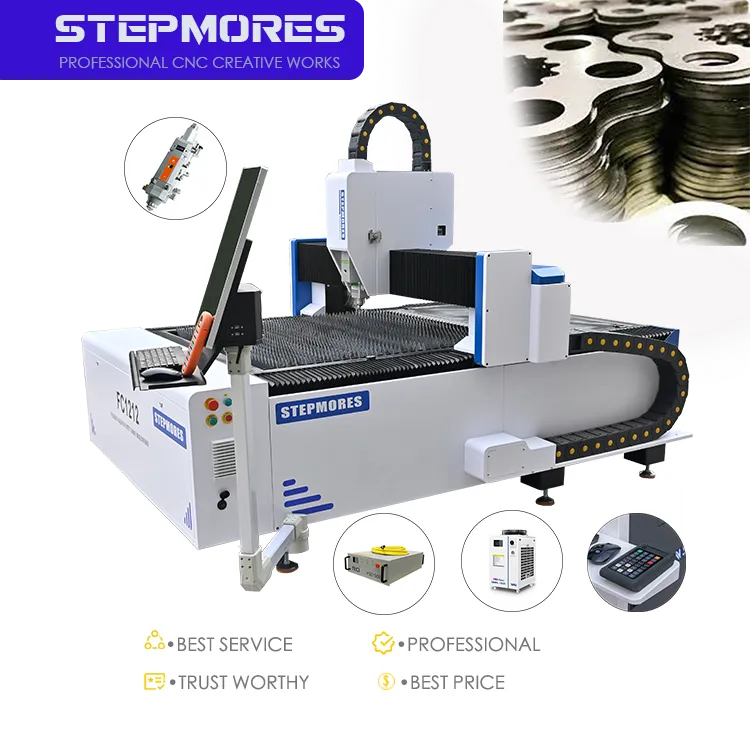
Precision Material Processing for Consistent Ad Sign Fabrication
Tight Tolerance Control Across Foamboard, MDF, Acrylic, and Wood
A CNC cutting machine delivers positional accuracy within ±0.005 inches—ensuring every sign component fits precisely into its intended assembly. This eliminates the oversized gaps and uneven edges common with manual routing, especially when working across dissimilar substrates. Foamboard requires high spindle speed and low feed rate to prevent melting; MDF demands slower passes to avoid chipping; acrylic edges emerge flame-polished straight from the tool; and hardwood retains crisp lettering without grain tear-out. A 2023 industry benchmark found that CNC-routed acrylic signs achieved a 98% first-pass yield—versus 82% for CO₂ laser-cut equivalents—largely because mechanical cutting avoids heat-affected zones. Such repeatable tolerances enable ad-fabrication shops to produce identical batches of wayfinding signs or lobby logos, maintaining brand consistency across dozens of locations.
Minimized Material Waste and Enhanced Yield via Optimized Nesting
Modern CAM software uses advanced nesting algorithms to reduce raw-board consumption by up to 30%, per the 2024 Fabrication Efficiency Report. These systems automatically rotate parts, compensate for kerf width, and pack shapes tightly—squeezing maximum usable area from each sheet. One large-format sign shop cut its MDF scrap rate from 22% to 9% after switching from manual layout to true-shape nesting. The same logic applies to acrylic and foamboard: the CNC’s vacuum table holds even small offcuts securely, enabling intricate letters to be cut from material previously discarded. By maximizing yield, fabricators lower material costs and shrink their environmental footprint—a growing priority for eco-conscious clients.
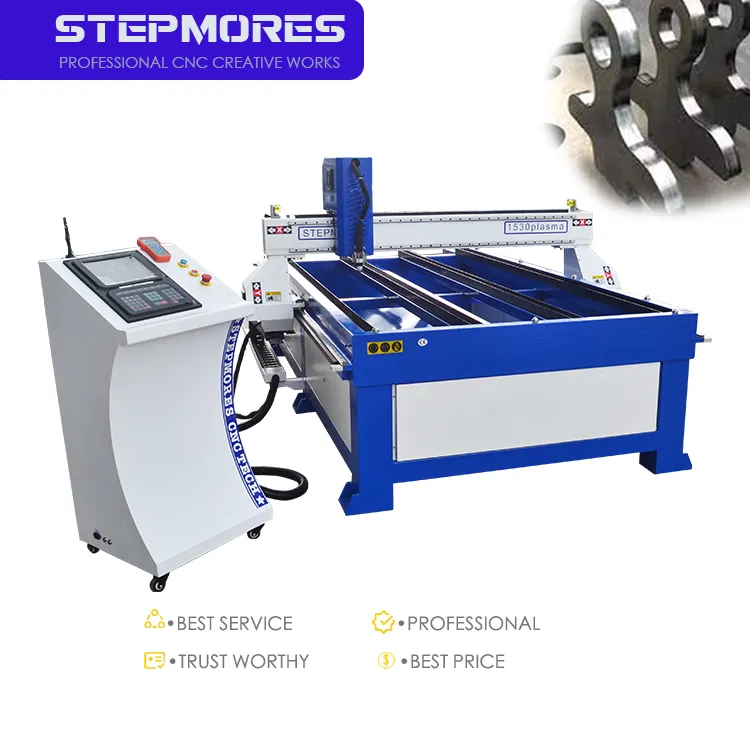
CNC Cutting Machine Automation Drives Throughput and Uptime
Cycle Time Reduction vs. Manual Routing and CO₂ Laser Alternatives
CNC routers dramatically reduce cycle times compared to both manual routing and CO₂ lasers. For complex acrylic signs, a CNC completes the job in under 5 minutes—versus over 20 minutes manually. While CO₂ lasers excel on thin materials, they slow significantly on thicker substrates like ½-inch MDF or hardwood, where CNC spindles maintain high feed rates and consistent edge quality. A 2023 benchmark study showed CNC routers cut cycle times by 55% versus manual methods—and outperformed CO₂ lasers by 30% on ½-inch acrylic. Rigid gantries, high-RPM spindles, quick tool changes, and multi-tool sequencing eliminate manual fixture adjustments. Automated toolpath optimization further reduces air-cutting time, while minimal operator intervention prevents idle cycles. The result? Reliable throughput, reduced rework, and the ability to double daily output on high-volume runs.
Unattended 24/7 Operation and Scalable Batch Production
Modern CNC routers support lights-out manufacturing—enabling fully unattended 24/7 operation. Automated tool changers hold up to 12 tools, and vacuum tables secure workpieces firmly for overnight runs. According to a 2023 industry survey, this capability boosts throughput by up to 40%. Once programmed, the machine processes sheet after sheet—scaling effortlessly from one custom sign to hundreds. Real-time monitoring and tool breakage detection ensure consistent quality, alerting operators only when intervention is needed. By decoupling labor from runtime, shops expand capacity without adding shifts—an essential advantage for time-sensitive ad campaigns. Predictive maintenance algorithms also minimize unplanned downtime, sustaining peak efficiency and lowering per-unit costs—even in high-mix production environments.
Labor Optimization and Error Reduction in Ad Production Workflows
Inefficient manual workflows cost signage businesses up to $1.3 million annually (2024 workforce analytics), largely due to rework and underutilized labor. A CNC cutting machine counters this by executing precise, error-free paths directly from CAD/CAM files—eliminating human measurement and marking errors that cause mis-cuts and delays. Operators shift from physically guiding tools to monitoring cycles and loading sheets, slashing rework rates and reducing reliance on highly specialized manual cutters. Digital templates ensure every sign blank, letter, or panel matches the approved design—making batch consistency achievable without constant inspection. Freed labor can then focus on value-added tasks like finishing, assembly, and quality control. The combined effect—less scrap, smarter staffing, and steady output—transforms sign production into a leaner, more predictable workflow.
Agile Customization for High-Mix, Low-Volume Advertising Projects
CAD/CAM-Driven Rapid Prototyping and One-Off Sign Manufacturing
A CNC cutting machine removes traditional friction between design and production—converting digital CAD files directly into physical signs, with no intermediate tooling. This direct CAM workflow enables advertising shops to prototype a single custom foamboard letter or an intricate acrylic display in hours—not days. Without die-sets or hard molds, the per-unit cost of low-volume runs remains economical, making personalized campaigns viable for niche events or local promotions. Firms using CNC for one-off projects slashed lead times by 55% while preserving full-color-ready surface quality, according to the 2023 Fabrication Efficiency Report. The ability to iterate designs quickly, adjust toolpaths on the fly, and produce finished pieces immediately empowers sign makers to accept high-mix orders—without sacrificing speed, consistency, or profitability.
FAQs
What is the primary advantage of CNC cutting machines for sign fabrication?
The main advantage of CNC cutting machines is their ability to deliver precision and consistency, enabling tight tolerance control and error-free production.
How do modern CAM software algorithms optimize material usage?
CAM software uses nesting algorithms to minimize material waste by rotating, packing, and compensating for kerf width, resulting in up to 30% rawboard consumption reduction.
Can CNC machines handle high-volume production reliably?
Yes, CNC machines support 24/7 unattended operation and scalable batch production, ensuring consistent output and minimizing downtime.
What makes CNC especially suitable for custom and low-volume advertising projects?
CNC machines enable direct CAD/CAM workflows for rapid prototyping, eliminating intermediate tooling steps, thereby reducing lead times and making personalized campaigns feasible.