
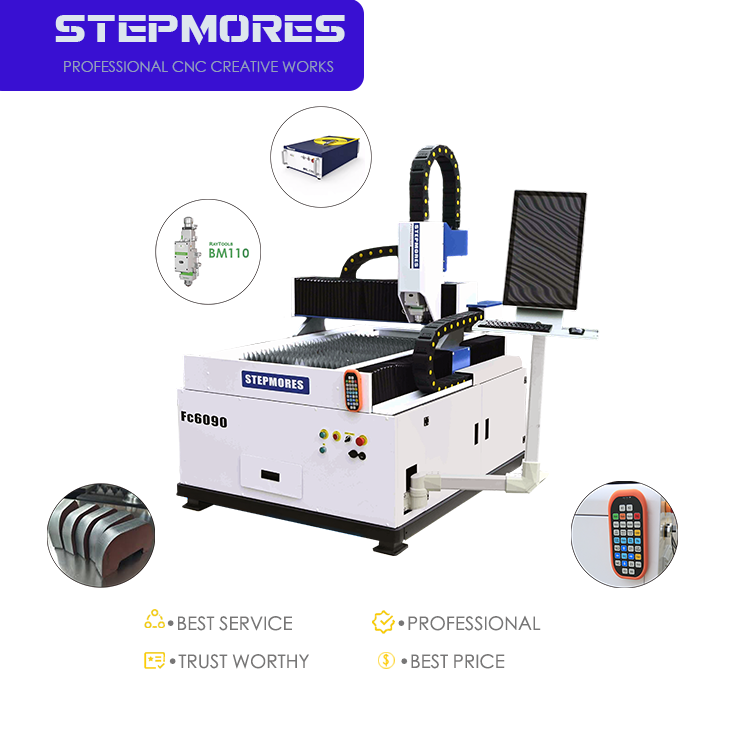
Why a CNC Leather Cutting Machine Delivers Unmatched Precision and Consistency
Sub-millimeter accuracy and repeatability across batch production
CNC leather cutting machines can hit around 0.1mm accuracy every time they cut through production runs. No more worrying about human mistakes when replicating patterns, so parts come out exactly the same whether we're making just ten pieces or thousands. The machines have these closed loop servo systems that keep adjusting the cutting path as they go along. Even after running non stop for days straight, the position stays spot on. Getting this kind of consistency matters a lot for putting things together without gaps or misalignments. Plus, factories report saving about 18% less material waste compared to what happens with manual cutting techniques.
Edge quality and kerf control: How laser vs. oscillating knife CNC systems affect leather integrity
Oscillating knives keep the natural structure of leather intact, giving those nice clean cuts without heat damage. The kerf is pretty small too, around 0.2 to 0.5mm, and they manage to get those straight 90 degree angles right on target. Lasers tell a different story though. They tend to burn the edges and let out those nasty VOCs, particularly when working with chrome tanned hides. Plus, most synthetic materials just don't play well with laser systems at all. These days, modern CNC knife setups come with smart features that automatically adjust how deep and fast they cut based on what the thickness sensors detect. This helps avoid going too far through the material which can wreck both the backing layers and mess up the grain quality.
Material Compatibility and Limitations of CNC Leather Cutting Machines
Performance across leather types: Full-grain, top-grain, corrected-grain, and synthetics
The way CNC machines cut leather depends a lot on what kind of leather we're talking about. Full grain leather is tough stuff, really dense and full of fibers, so it needs slower feed rates and stronger blade pressure. Top grain works better with regular machine settings since the surface has been sanded down. Watch out for corrected grain materials though because sometimes their coatings can cause problems when exposed to laser heat, leading to ugly discoloration around edges. Synthetic options like PU require special oscillating knives to prevent them from melting during processing. And don't forget about thickness either. Thicker hides will always behave differently than thinner ones regardless of category, making this factor essential for anyone working with leather on CNC equipment.
| Leather Type | Optimal CNC Method | Key Consideration |
|---|---|---|
| Full-grain | Oscillating knife | Higher blade pressure required |
| Synthetic/PU | Oscillating knife only | Avoids thermal damage |
| Corrected-grain | Laser (low power) | Test for coating discoloration |
Tanning method matters: Chrome-tanned vs. vegetable-tanned – thermal sensitivity and pre-conditioning requirements
Tanning chemistry directly influences thermal behavior and cutting stability. Chrome-tanned leathers contain metallic salts that increase thermal conductivity, making them prone to scorching under lasers above 150°C. Vegetable-tanned leathers resist heat better but often require humidity equilibration—40–60% RH for 24 hours—to prevent warping during cutting. For reliable results:
- Chrome-tanned: Use air-assist cooling and limit laser power to <60%
- Vegetable-tanned: Stabilize moisture content before cutting
- All materials: Conduct test cuts on scrap sections matching production batch thickness
Software and Digital Workflow Integration for CNC Leather Cutting Machines
Vector design prep in Illustrator and CorelDRAW: Nesting, grain alignment, and kerf compensation
Getting vectors just right in Adobe Illustrator or CorelDRAW makes all the difference for quality leather cutting results. Manufacturers spend around $740k yearly on premium hides according to the Ponemon Institute report from 2023, so efficient material use matters a lot. That's where advanced nesting algorithms come in handy, squeezing every last bit out of expensive hides. Grain alignment tools help match patterns with how the leather fibers run naturally, which keeps the strength consistent throughout cuts. Meanwhile, kerf compensation adjusts for blade thickness during cutting, keeping dimensions accurate within about 0.3mm from batch to batch. These digital techniques basically cut out those pesky manual measurement mistakes that used to plague production lines, and they've helped shops reduce waste by roughly 18% across the industry.
LightBurn optimization: Power/speed mapping, pulse frequency tuning, and vacuum-bed-aware toolpath sequencing
LightBurn brings physics-based laser optimization to CNC leather cutting operations. The software maps power settings against speed based on how thick the material is, which helps avoid those ugly burn marks that happen so easily on delicate vegetable tanned leathers. When it comes to pulse frequency adjustments, this controls how concentrated the laser bursts are during cutting, reducing carbon buildup particularly important when working with synthetic materials that melt at lower temperatures. What makes LightBurn stand out is its vacuum bed awareness feature. It actually sequences the toolpaths so internal cuts get done first before moving to outer edges. This keeps the piece firmly anchored in place during processing, making sure everything stays aligned even when dealing with complex multi layer constructions such as shoe uppers where precision matters most.
End-to-End Operational Workflow: From Setup to Post-Processing on a CNC Leather Cutting Machine
When operations run smoothly, we see better results in terms of both speed and accuracy. The process starts with getting materials ready right. Hides need proper conditioning so they hold just the right amount of moisture before being placed flat on those vacuum beds. Next comes setting up the machines correctly. For vegetable tanned leather work, our oscillating knives should be angled between about 30 to 45 degrees. Meanwhile, laser systems require careful power adjustments based on how sensitive different leather types are to heat. Once everything is running, our CNC equipment keeps measurements tight within 0.1 millimeters, automatically adjusting when full grain hides tend to stretch out during cutting. After the main work is done, parts get carefully removed with special lifters that won't leave marks, plus important edges get sealed where wear happens most often. Putting all these steps together cuts down mistakes by around 27 percent compared to what people could do manually, and we usually manage to use about 92% of every hide regardless of quality grade.
FAQs about CNC Leather Cutting Machines
What accuracy can CNC leather cutting machines achieve?
These machines can consistently achieve around 0.1mm accuracy during production runs.
What are the advantages of using oscillating knife systems?
Oscillating knives maintain the structural integrity of leather, provide clean cuts without heat damage, and control kerf size efficiently.
How does tanning method impact the cutting process?
Chrome-tanned leather requires cooling to prevent scorching, while vegetable-tanned leather needs moisture stabilization to prevent warping.
Can CNC machines cut synthetic leather?
Yes, but they require special oscillating knives to prevent melting during processing.
How do software tools like LightBurn help in CNC cutting?
LightBurn optimizes power and speed settings, uses vacuum-bed-aware sequencing, and controls pulse frequency for precise, clean cuts.
Table of Contents
- Why a CNC Leather Cutting Machine Delivers Unmatched Precision and Consistency
- Material Compatibility and Limitations of CNC Leather Cutting Machines
- Software and Digital Workflow Integration for CNC Leather Cutting Machines
- End-to-End Operational Workflow: From Setup to Post-Processing on a CNC Leather Cutting Machine