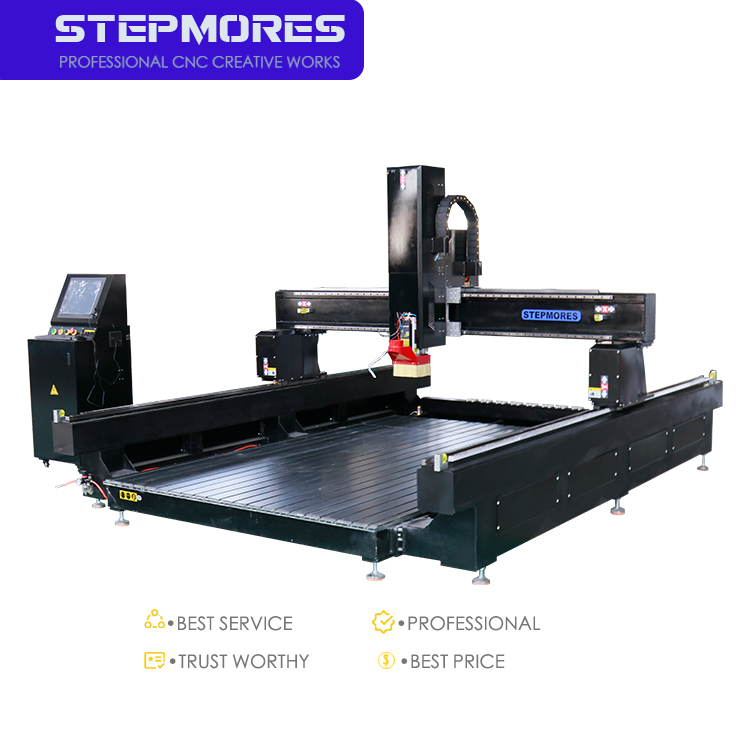
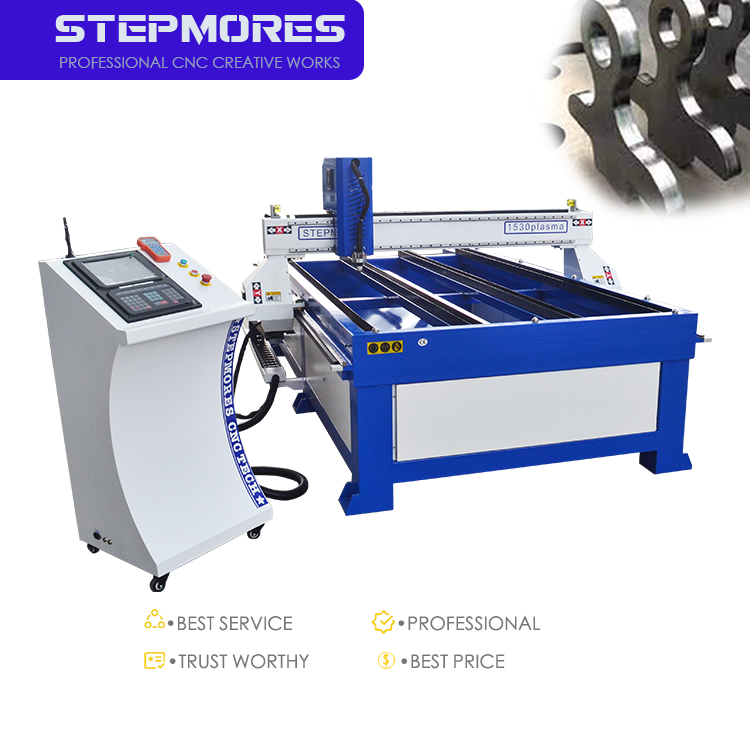
In the global landscape of CNC equipment manufacturing, where precision, reliability, and after-sales support are paramount to market competitiveness, Jinan Chentuo (Chentuo) CNC Equipment Co., Ltd. has solidified its position as a trusted partner. Renowned for its high-quality CNC routers, laser engraving machines, laser cutting machines, and CNC plasma metal cutting machines, the company has been steadily expanding its global footprint, with a strategic focus on Southeast Asia—particularly Indonesia. As Indonesia’s manufacturing and processing sectors undergo rapid growth, driven by rising domestic demand and government initiatives to boost industrialization, Jinan Chentuo has placed great emphasis on providing tailored training programs to local customers. This proactive approach not only ensures Indonesian users can operate its machines quickly and correctly but also strengthens the company’s brand loyalty and market presence in the region, a key differentiator in the crowded global CNC equipment market.
Jinan Chentuo’s CNC machines are highly versatile, finding extensive application across a wide range of burgeoning industries in Indonesia. These sectors include woodworking (a traditional yet fast-growing industry catering to furniture production and interior design), advertising (fueled by the booming retail and digital marketing sectors), art marking, model making, electronics (supported by Indonesia’s expanding tech manufacturing ecosystem), CAD/CAM-related businesses, clothing, packaging printing, and laser sealing. The machines are engineered to handle various materials that are widely used in Indonesian industries, such as acrylic sheets (popular in advertising and packaging), ABS double-color sheets (for electronic casings and automotive parts), PVC foam sheets (used in interior decoration), wooden sheets (core to the woodworking industry), scagliola (for architectural decorations), and PCB aluminum sheets (essential for electronics manufacturing). However, the technical complexity of CNC equipment—with its intricate software interfaces, parameter configurations, and material-specific operations—poses a significant barrier for many Indonesian customers, especially small and medium-sized enterprises (SMEs) that often lack dedicated technical teams or prior experience with advanced CNC technology. This is where Jinan Chentuo’s specialized training programs step in, addressing the unique needs and challenges of the local market head-on.
The training programs for Indonesian customers are meticulously designed with a dual focus on practicality and efficiency, ensuring participants can master core machine operations in the shortest possible time without compromising on proficiency. The curriculum begins with a comprehensive introduction to the basic structure and working principles of the machines, using visual aids and 3D diagrams to help customers build a solid foundational understanding—critical for troubleshooting and optimal operation. It then progresses to step-by-step operational guidance, covering key practical aspects such as safe machine setup (including proper power connection, tool installation and calibration, and parameter configuration tailored to the characteristics of local materials, which often vary in density and thickness compared to global standards), loading design files compatible with common software used in Indonesia (such as AutoCAD and CorelDRAW, which are widely adopted by local design and manufacturing firms), and fine-tuning engraving or cutting settings to achieve precise, high-quality results on local materials.
To cater to the diverse technical backgrounds of Indonesian customers—ranging from complete novices to experienced machine operators—the training adopts a flexible, tiered approach. For novice operators, the program emphasizes hands-on practice with simple, real-world tasks first, such as basic text and pattern engraving on pine or teak wooden sheets (commonly used in local woodworking workshops) and straightforward cutting of thin acrylic sheets. This gradual learning curve helps build confidence and ensures mastery of fundamental skills before moving to complex operations. Experienced operators, on the other hand, receive advanced training on specialized functions like auto tool zeroing (which enhances precision and reduces setup time), reverse run (for correcting minor errors), and CV (Constant Velocity) mode activation (critical for smooth cutting of curved patterns in advertising and art projects). Moreover, recognizing that language can be a major barrier to effective learning, the training materials and instructor guidance are presented in clear, jargon-free English—widely understood in Indonesia’s business and industrial sectors—and supplemented with on-the-spot explanations in Bahasa Indonesia where necessary, ensuring that all participants can fully grasp the content regardless of their English proficiency.
Real-time, personalized support is another cornerstone of Jinan Chentuo’s training program, setting it apart from generic training offerings in the market. During in-person training sessions, the company’s professional instructors—who possess extensive experience in both CNC technology and the Indonesian market—are available to address questions or resolve issues immediately. They conduct live demonstrations of troubleshooting common problems that local customers are likely to encounter, such as software glitches when importing local design files, material-related cutting errors (e.g., uneven edges on PVC foam sheets due to humidity variations in Indonesian workshops), and tool wear issues with wooden materials. This hands-on troubleshooting training equips customers with the skills to resolve minor issues independently, minimizing production downtime. Additionally, the company offers comprehensive post-training remote support, allowing Indonesian customers to seek assistance via video calls, online chat, or email whenever they encounter difficulties in daily operation. This continuous support network ensures that customers are not left stranded after the initial training period, fostering long-term trust and satisfaction.
Safety and maintenance training are integral components of the program, reflecting Jinan Chentuo’s commitment to ensuring the long-term, safe, and cost-effective operation of its machines. Indonesian customers are thoroughly educated on essential safety protocols, including the correct use of protective gear (such as safety goggles, gloves, and dust masks), emergency stop procedures, and measures to prevent hazards in busy, often small-scale workshop environments (where space constraints can increase accident risks). They also receive detailed, step-by-step guidance on machine maintenance tailored to Indonesia’s climate and workshop conditions—such as regular cleaning of dust-exposed components (a prevalent issue in local woodworking and acrylic processing workshops due to high dust generation), proper lubrication of moving parts to withstand Indonesia’s tropical humidity, and routine inspection of tools and electrical circuits to prevent short circuits or tool failures. This focus on maintenance not only extends the service life of the machines but also reduces the risk of costly breakdowns—a critical advantage for Indonesian SMEs that rely on continuous production to maintain profitability.
The effectiveness of Jinan Chentuo’s training programs is clearly evident in the overwhelming positive feedback from Indonesian customers. Many have reported that they can operate the machines independently within just 3–5 days of training, significantly improving their production efficiency and reducing reliance on external technical support. For example, a woodworking business owner in Jakarta noted that the training helped his team master the CNC router quickly, enabling them to take on more custom engraving orders for high-end furniture and interior decorations—orders they previously had to decline due to technical limitations. This not only boosted their revenue but also enhanced their reputation in the local market. Similarly, an advertising company in Bandung praised the program, stating that the detailed guidance on laser cutting settings for local acrylic sheets (which tend to have slightly different melting points than imported alternatives) enabled them to produce high-quality promotional materials—such as display stands and signage—with greater accuracy and consistency, helping them win more contracts from major retail brands.
In conclusion, Jinan Chentuo CNC Equipment Co., Ltd.’s tailored training programs for Indonesian customers exemplify its customer-centric approach, demonstrating a commitment to delivering not just high-quality products but also comprehensive, localized support. By aligning the training with the specific industry needs, language preferences, and technical levels of Indonesian customers, the company empowers them to unlock the full potential of its CNC machines, driving productivity and growth for their businesses. As Indonesia’s manufacturing and processing industries continue to expand amid ongoing industrialization efforts, these training initiatives will play an increasingly vital role in fostering long-term, mutually beneficial partnerships between Jinan Chentuo and its Indonesian clients. In the dynamic global CNC equipment market, this focus on customer empowerment through tailored training is not just a competitive strategy—it is a blueprint for sustainable success in emerging markets like Southeast Asia.


 Hot News