
Maximizing Production Value: The Strategic Role of High-Precision CNC Cutting
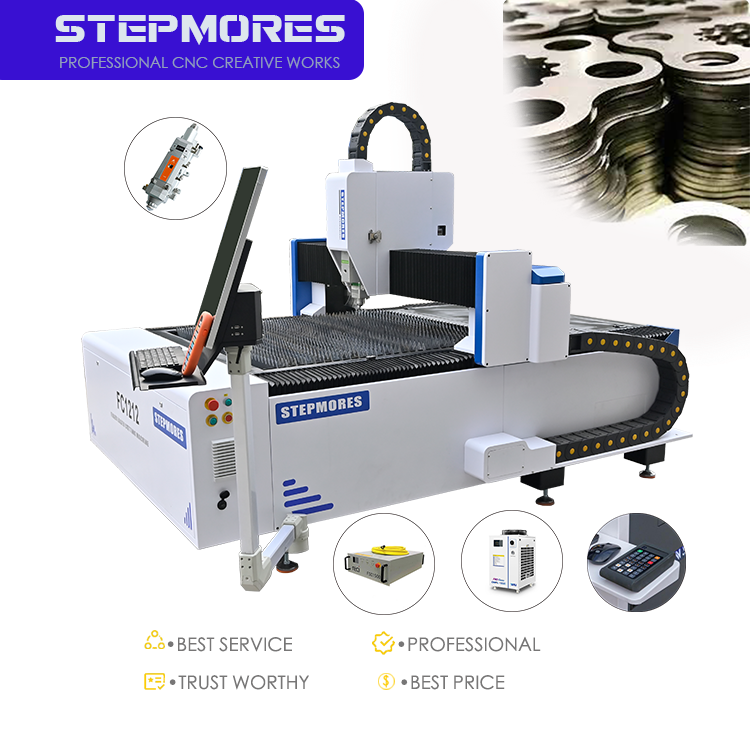
In the competitive landscape of modern manufacturing, the difference between market leadership and obsolescence often lies in the precision of the production line. As industrial requirements become increasingly complex, the reliance on traditional manual cutting techniques has become a limiting factor for operations aiming for global scalability. High-precision CNC (Computer Numerical Control) cutting machines have emerged as the definitive solution for facilities looking to harmonize speed with extreme dimensional accuracy. Drawing from extensive involvement in the international industrial sector, it is evident that the transition to advanced CNC systems represents a critical shift toward a more intelligent and sustainable manufacturing model.
The Engineering Foundations of High-Performance Cutting
At the technical core of a high-precision CNC system is the seamless integration of high-torque servo motors, rigid structural frames, and advanced motion control software. Unlike standard machinery that may suffer from micro-vibrations, high-end CNC units are engineered with vibration-dampening composites that ensure the tool path remains perfectly aligned even under heavy duty cycles. From an engineering perspective, this rigidity is what allows for the production of components with tolerances in the micron range. This level of technical stability eliminates the cumulative errors often found in traditional mechanical cutting, ensuring that complex parts meet their design specifications without the need for secondary processing or manual finishing.
Eliminating Variability Through Advanced Automation
The primary challenge in manual production environments is the inevitable variability introduced by human factors. Fatigue, environmental fluctuations, and varying skill levels frequently lead to inconsistencies that compromise the quality of the final product. High-precision CNC cutting technology mitigates these issues by enforcing digital consistency. Once a project is defined within the system software, the CNC unit executes the path with absolute repeatability, regardless of whether it is the first or the thousandth piece. This level of process stability is recognized by industry experts as the cornerstone of reliable manufacturing. By removing the guesswork from the production cycle, facilities can shift their focus from reactive quality control to proactive process refinement, ensuring that every product leaving the factory floor adheres to the same rigorous quality benchmarks.
Optimizing Material Utility and Resource Management
Beyond physical accuracy, the economic value of high-precision CNC technology is most visible in its ability to optimize resource management. Advanced nesting algorithms—a standard feature in modern CNC software—analyze raw material sheets to position parts in a way that minimizes excess material. In high-volume production, this reduction in scrap rate is a significant driver of overall manufacturing viability. Furthermore, the ability of high-precision machines to work at consistent feed rates without sacrificing quality means that manufacturers can output products with greater predictability in the same timeframe, essentially increasing the capacity of the floor without the need for additional physical space. This operational gain transforms the manufacturing unit from a cost center into a high-throughput asset, capable of fulfilling demanding project timelines with reliability.
Ensuring Operational Agility and Maintenance Longevity
True industrial excellence is measured by the ability to adapt to diverse production requirements. High-precision CNC machines offer a remarkable degree of versatility, allowing operators to quickly switch between different material types—such as steel alloys, specialty plastics, and composite substrates—simply by adjusting software parameters. This agility is vital for operations participating in modern, fast-paced global supply chains. Furthermore, the maintenance profile of high-end CNC equipment is designed for longevity. With modern predictive maintenance interfaces, machine components can be monitored in real-time, allowing for the preemptive replacement of wear parts before they impact production accuracy. This proactive approach to maintenance ensures that the machinery remains a reliable, long-term partner in the production strategy, rather than a recurring source of downtime.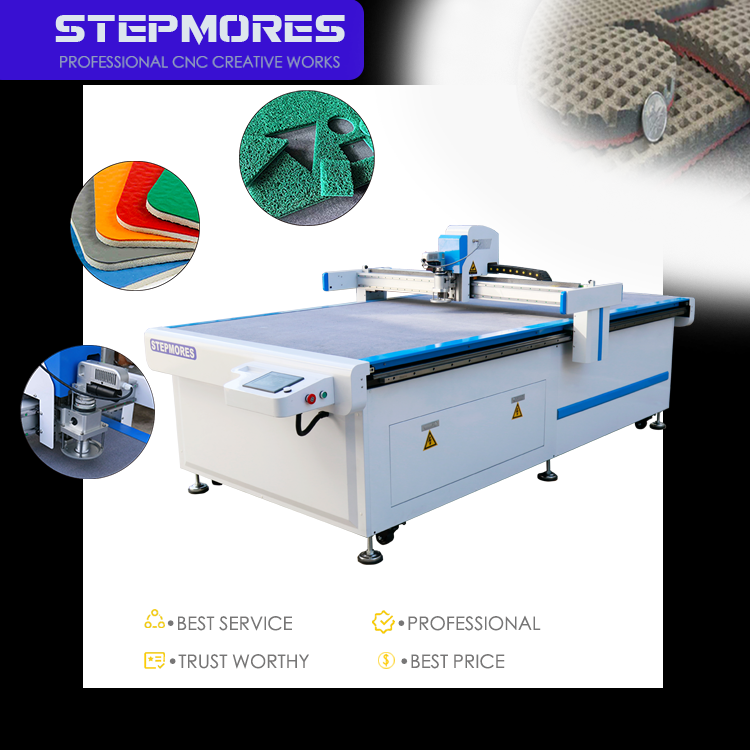
Strategic Sourcing and Industrial Expertise
Stepmores represents a benchmark in the engineering and supply of high-grade CNC solutions, providing the essential infrastructure for modern industrial production. By integrating advanced production technology with a deep understanding of international manufacturing standards, the enterprise delivers reliable solutions for distributors and project developers worldwide. The manufacturing capacity of Stepmores is defined by rigorous quality control processes that oversee every phase of the machine lifecycle, from the initial component formulation to the final performance testing. This professional dedication ensures that every unit meets global durability and safety benchmarks. For businesses seeking a partner that understands the nuances of the global supply chain, Stepmores offers the engineering precision and technical transparency necessary to execute large-scale production projects successfully, solidifying its reputation as a leader in the industrial machinery manufacturing sector.
Table of Contents
- Maximizing Production Value: The Strategic Role of High-Precision CNC Cutting
- The Engineering Foundations of High-Performance Cutting
- Eliminating Variability Through Advanced Automation
- Optimizing Material Utility and Resource Management
- Ensuring Operational Agility and Maintenance Longevity
- Strategic Sourcing and Industrial Expertise