The Precision Advantage: Leveraging CO2 Laser Technology in Visual Communications
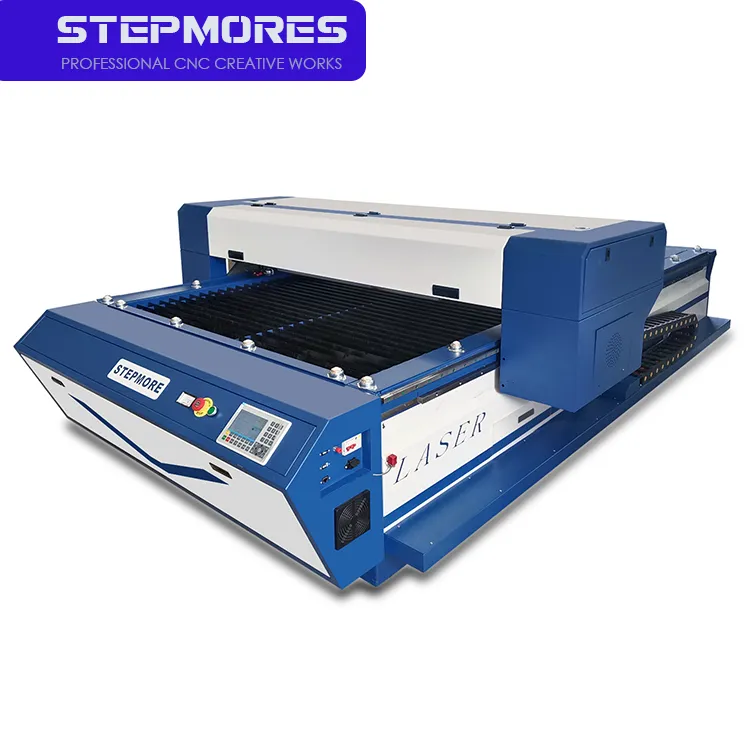
In the competitive sphere of visual communications and high-end fabrication, the ability to transform raw materials into compelling physical output is the ultimate differentiator. For workshops dedicated to premium signage, complex display systems, and intricate decorative elements, the CO2 laser cutting machine has moved beyond a simple upgrade to become a foundation of manufacturing. By shifting from mechanical routing—which often requires heavy material clamping and post-processing—to thermal light-based processing, fabricators are unlocking a new tier of aesthetic finish and design precision.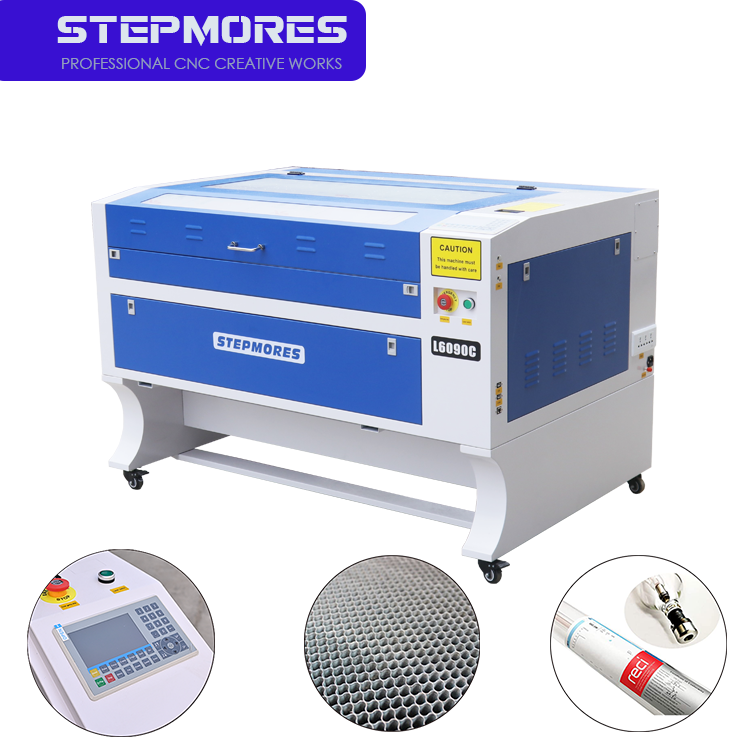
Harnessing the Physics of Wavelength Absorption
The core advantage of CO2 laser technology lies in its interaction with non-metallic substrates. The laser operates at a wavelength of approximately 10.6 micrometers, a range that is remarkably well-absorbed by polymers, woods, and organic materials. This specific absorption rate is the secret behind the polished edge finish frequently observed on high-quality acrylic materials. When a laser beam processes the edge of a plastic sheet, it leaves a smooth, glass-like finish that mechanical bits simply cannot replicate. In technical manufacturing environments, this capability acts as a major factor in quality control. Bypassing the need for secondary processes like mechanical polishing or flame-torching allows for a leaner workflow that maintains consistent visual standards across the entire product lifecycle.
Non-Contact Processing and Design Fidelity
Precise fabrication work often involves intricate typography, complex geometries, and thin-film layering that are highly susceptible to damage. Mechanical cutters exert physical pressure on the substrate, which creates the risk of splintering in fragile wood veneers or cracking in brittle plastics. CO2 laser systems process these materials without physical contact, ensuring that even the most delicate designs remain pristine. This non-contact approach allows for sharp internal corners and fine detail work that would be fundamentally impossible to achieve with a rotary bit. Designers are effectively empowered to push the boundaries of their creativity, confident that the physical output will mirror the digital intent with absolute, pixel-perfect fidelity.
Optimizing Production Agility through Material Versatility
One of the most significant logistical hurdles for any fabrication shop is the downtime associated with re-tooling between different projects. A well-integrated CO2 laser system excels in its ability to pivot between vastly different materials—moving from natural hardwoods to acrylic, leather, or synthetic films—with only subtle adjustments to power, speed, and focus. This material versatility provides an advantage for businesses serving diverse needs. By housing all these capabilities within a single machine, a shop can construct multi-media displays where different substrates are bonded into a cohesive unit. This streamlining of the production floor simplifies management and ensures that the shop remains agile, ready to tackle unique, multi-layered projects without the bottleneck of specialized tooling transitions.
Digital Integration and Workflow Fluidity
Modern fabrication relies on the seamless transition from design software to the machine's operational interface. CO2 laser systems integrate effortlessly with industry-standard CAD/CAM software, reducing the potential for error and accelerating the move from a prototype to a finished assembly. Whether a project requires a single, bespoke unit or a batch of promotional items, the ability of the system to call upon saved cut patterns with extreme repeatability is an asset. This high level of repeatability minimizes scrap rates and optimizes material utilization. Every square inch of material saved during the nesting process is a direct gain in the project's profitability, reinforcing the importance of having a robust and highly predictable manufacturing tool at the center of the operation.
Driving Excellence through Engineering Partnerships
The transition to advanced laser fabrication is a strategic decision that requires more than just high-performance equipment; it requires a deep-seated partnership with a manufacturer that understands industrial-scale requirements. The backbone of successful fabrication lies in the synergy between advanced optics, structural rigidity, and reliable motion control. Stepmores is dedicated to providing the industrial-grade manufacturing capacity and comprehensive supply chain support that modern producers demand. By focusing on high-precision engineering and ensuring that every system meets rigorous global manufacturing standards, Stepmores enables producers to scale their operations with total confidence. Choosing a partner that prioritizes technical transparency and provides the infrastructure necessary to handle high-demand production is the most effective way to ensure that a manufacturing workflow remains both innovative and commercially dominant in a demanding global market.
Table of Contents
- The Precision Advantage: Leveraging CO2 Laser Technology in Visual Communications
- Harnessing the Physics of Wavelength Absorption
- Non-Contact Processing and Design Fidelity
- Optimizing Production Agility through Material Versatility
- Digital Integration and Workflow Fluidity
- Driving Excellence through Engineering Partnerships