
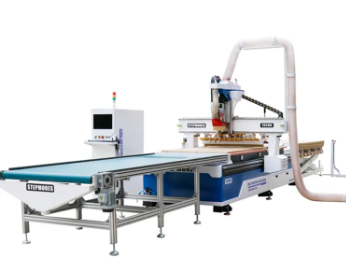
How CNC Nesting Machines Maximize Material Utilization and Cut Waste
The nesting algorithm advantage: boosting material utilization from 85% to 98%
Nesting algorithms have really changed the game when it comes to making better use of raw materials. These smart systems calculate where parts should go on sheets almost like solving a complex puzzle, positioning everything so there's minimal wasted space between pieces. They take into account things like wood grain direction, the tiny amount of material lost during cutting (called kerf), and other sheet limitations that matter a lot in manufacturing. Manual layout methods typically hit around 85% efficiency at best, but these algorithm-based approaches regularly reach close to 98%, according to research published last year in Material Science Journal. What makes them special is their ability to adjust on the fly for odd shapes, prioritize different batches, and even find ways to reuse leftover scraps instead of throwing them away. When applied specifically to plywood processing, manufacturers end up getting about 13% more usable surface area from each sheet they cut. And mathematically speaking, every single percentage point improvement saves roughly $18,000 annually for shops of moderate size. All an operator needs to do is upload their CAD design files, after which the software takes care of rotating parts, determining sequence order, and compensating for those inevitable kerf losses automatically.
Case study: German cabinet manufacturer reduces plywood waste by 42% in 12 months
A leading European cabinet producer replaced manual layout and cutting with an automated CNC nesting machine—and achieved a 42% reduction in plywood waste within one year, alongside a 19% increase in output (Production Efficiency Report 2023). Key drivers included:
- Algorithmic optimization: Nested components 27% tighter than prior manual layouts
- Integrated handling: Robotic loading/unloading eliminated panel damage during transfer
- Real-time defect adaptation: Dynamic nesting rerouted cuts around knots or voids mid-process
Before automation, workers used to spend around three hours every day just organizing all those parts on the assembly line. Now that task is completely handled by machines, so staff can focus their attention on checking product quality and monitoring processes instead. Just looking at material costs, the return on investment happened within about 14 months after implementation. And let's not forget about the environmental angle either - the plant keeps roughly 28 tons of scrap metal out of landfills each year, which goes a long way toward meeting corporate sustainability targets. What makes this particularly interesting is how these benefits aren't just one-off wins. Intelligent part nesting actually creates ripple effects throughout the entire manufacturing operation, making operations smoother while cutting costs and reducing waste at multiple points in the process.
Seamless Automation Integration: Connecting the CNC Nesting Machine to Your Full Production Line
ATC, auto-loading/unloading, and inline conveyance for continuous flow
CNC nesting machines today can run practically non-stop thanks to their fully automated systems. The tool changers on these machines switch out cutting heads in just a few seconds flat, so there's hardly any waiting time when switching between different tasks. Combine this with robotic arms for loading and unloading parts plus those conveyor belts running alongside, and the whole process becomes pretty smooth sailing. Raw material panels basically glide right from where they're stored straight onto the machine table and then get sent along to whatever comes next in production. This kind of constant movement cuts down wasted time by around thirty percent, which means a single worker can keep tabs on several different work areas at once. One company making cabinets over in Europe saw their output jump by about twenty-two percent once they got all this set up. They don't have to worry anymore about people manually moving parts around between each cycle.
Real-time MES-linked nesting for dynamic throughput and bottleneck resolution
When nesting software works hand in hand with a Manufacturing Execution System (MES), that's where things really start to change for the better in operations. The connection creates what we call a closed loop, letting systems adjust on the fly according to what's happening right there on the factory floor. If an assembly line starts moving slower than usual, the system automatically moves those nested jobs up in priority. When materials run low, it switches to using whatever scraps are left first. And all those performance metrics from machines get fed back into the system so it can tweak how tools work adaptively. According to industry benchmarks from last year, factories that have integrated their nesting with MES platforms fixed production bottlenecks about 47 percent quicker. They also managed to keep equipment running at above 95% capacity even when demand suddenly spiked. With this setup, CNC nesting machines aren't just another piece of machinery sitting alone anymore. Instead they become something like the brain behind the whole production operation.
Precision, Speed, and Labor Efficiency: The Operational Impact of a CNC Nesting Machine
63% reduction in panel processing defects and rework through consistent, toolpath-optimized cutting
CNC nesting machines cut down on all the inconsistencies that come with doing things by hand because they create toolpaths that stick pretty close to those tight tolerances, get the feed rates just right, and generally put less stress on materials during cutting. These machines run some pretty smart software behind the scenes that picks out the right bits for the job, tweaks spindle speeds and pressure as needed, and arranges the cutting order so nothing tears out when working with stuff like thin veneer sheets, laminated panels, or intricate joints. Shop floor reports show around 60 something percent drop in defective panels after switching to these systems which means way less time spent fixing mistakes and throwing away bad stock. What we see is consistent results instead of hoping for the best each time someone makes a cut. The parts just keep coming out within specs without fail.
Labor reallocation: from manual layout and handling to supervision and programming
When automation comes into play, it really changes how people work day to day. Take traditional manufacturing shops for instance. Many of them spend around 70% of their time in the cutting area just doing basic stuff like measuring materials, setting things in place, making marks, and cleaning up after each cut. CNC nesting systems basically take all that manual work off the table. What happens next is interesting. Instead of laying people off, companies often find new roles for workers. Some end up watching over computer screens where they track production stats in real time. Others get involved in creating special instructions for different product designs. And there are those who focus on checking quality at various stages of production. A factory somewhere in the Midwest did something pretty impressive last year. They took most of their cutting crew (about 8 out of every 10 employees) and gave them training to become technical supervisors instead. Within half a year, this change boosted productivity across the board by roughly 30%. Plus, workers reported less back pain and fewer injuries, which means fewer people quitting their jobs and looking elsewhere.
Agile Production Enabled: From CAD Design to Nested Output in Minutes
CAD/CAM and Parametric Design Integration for True One-Click Nesting Workflows
Today's CNC nesting systems bring together design and manufacturing processes by integrating CAD/CAM software along with parametric models. When designers make changes to dimensions, switch materials, or adjust configurations in their workspaces, these modifications automatically show up across nesting plans and cutting paths. No longer do teams have to redo calculations manually or deal with mistakes when transferring information between different departments. Production staff can start entire manufacturing runs with just one button press, going from initial digital designs all the way to properly arranged, cut-ready parts within minutes. The speed advantage cuts down on how long products take to reach customers for bulk orders around 30 percent give or take, according to industry reports. What's more, companies find they can scale up both quick prototypes and special customer requests without breaking a sweat, which means many shops are leaving behind old fashioned drafting methods for smarter, data informed ways of making things.
FAQ
What is a CNC nesting machine?
A CNC nesting machine is an automated system used in manufacturing that determines the most efficient arrangement of parts on materials to maximize use and reduce waste.
How do nesting algorithms improve material utilization?
Nesting algorithms optimize the layout of parts on a raw material sheet, reducing wasted space and adapting to variables like grain direction and kerf, thus improving material utilization typically from 85% to up to 98%.
Can CNC nesting machines reduce manufacturing defects?
Yes, CNC nesting machines minimize defects by generating precise toolpaths, ensuring consistent results that adhere to strict tolerances and reducing the need for rework.
How does CNC automation affect labor allocation?
CNC automation shifts labor from manual tasks like cutting and measuring to more technical roles in supervision, programming, and quality control.
What is the role of CAD/CAM software in CNC nesting?
CAD/CAM software integrates with CNC nesting systems to automate processes, transforming design changes quickly into adjusted cutting paths and nesting plans.
Table of Contents
- How CNC Nesting Machines Maximize Material Utilization and Cut Waste
- Seamless Automation Integration: Connecting the CNC Nesting Machine to Your Full Production Line
- Precision, Speed, and Labor Efficiency: The Operational Impact of a CNC Nesting Machine
- Agile Production Enabled: From CAD Design to Nested Output in Minutes
- FAQ