
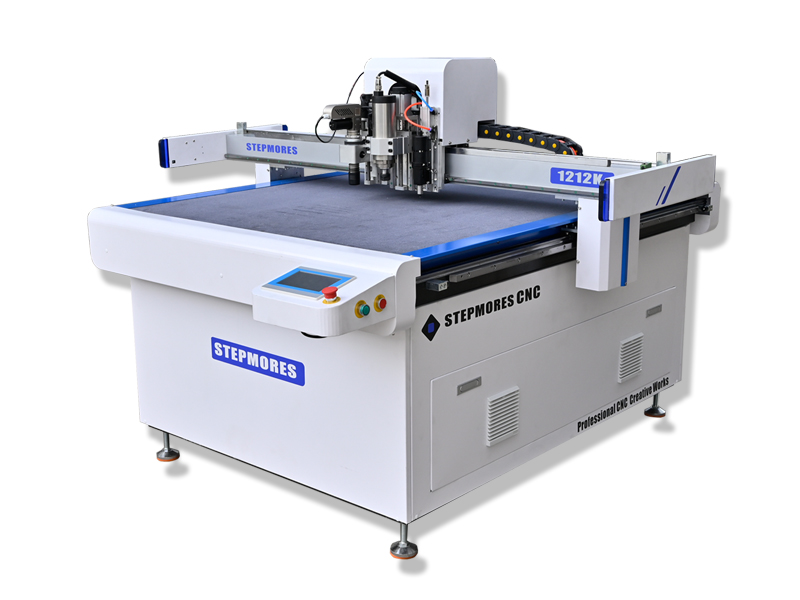
Ακριβής Κοπή σε Ψύχος: Εξάλειψη Θερμικής Ζημιάς σε Μαλακά Υλικά
Χωρίς καίσιμο των άκρων ή ζωνών επηρεασμένων από τη θερμότητα σε υφάσματα, αφρούς και ελαστικά
Τα συστήματα CNC με ταλαντευόμενο μαχαίρι κόβουν τα υλικά χωρίς να παράγουν θερμότητα τριβής, γεγονός που βοηθά στη διατήρηση της μοριακής ακεραιότητας ουσιών ευαίσθητων σε αλλαγές θερμοκρασίας. Η ψυχρή κοπή εξαλείφει προβλήματα όπως η μαύρισμα των άκρων σε συνθετικά υφάσματα, η κατάρρευση κυττάρων σε αφρό πολυουρεθάνης και η ανεπιθύμητη σκλήρυνση σε φυσικό καουτσούκ — προβλήματα που συνήθως προκαλούνται από τεχνικές κοπής με χρήση θερμότητας. Όταν δεν υπάρχει ζώνη επηρεασμένη από τη θερμότητα (HAZ) γύρω από τις τομές, η εφελκυστική αντοχή διατηρείται ανέπαφη κατά μήκος αυτών των ακμών — κάτι ιδιαίτερα σημαντικό για εξαρτήματα που πρέπει να αντέχουν βάρος, όπως στα καθίσματα αυτοκινήτων ή στα ιατρικά μαξιλάρια. Οι επιχειρήσεις εξοικονομούν επίσης χρήματα, καθώς δεν χρειάζεται να αντιμετωπίσουν απώλειες υλικού λόγω κατεστραμμένων ακμών. Σύμφωνα με έρευνα του Ινστιτούτου Ponemon το 2023, οι κατασκευαστές μπορούν να εξοικονομήσουν περίπου 740.000 δολάρια ΗΠΑ ετησίως απλώς ανακτώντας υλικό που διαφορετικά θα απορριπτόταν λόγω ζημιάς από τη θερμότητα.
Σύγκριση μεταξύ συστημάτων CNC με ταλαντευόμενο μαχαίρι και κοπής με λέιζερ: Σύγκριση απόδοσης σε αφρό πολυουρεθάνης (δεδομένα ASTM D3574)
Κατά την επεξεργασία αφρού πολυουρεθάνης σύμφωνα με τα πρότυπα ASTM D3574, η CNC με ταλαντευόμενο μαχαίρι παρουσιάζει ανώτερη ακεραιότητα του υλικού σε σύγκριση με εναλλακτικές λέιζερ μεθόδους. Οι βασικές διαφορές απόδοσης περιλαμβάνουν:
| Παράμετρος | Αριθμητικά ελεγχόμενος τομέας με ταλαντευόμενο μαχαίρι | Κοπή με λέιζερ CO₂ |
|---|---|---|
| Πλάτος HAZ | 0,2 mm | 1.5 mm |
| Μεταβολή Σκληρότητας Ακμής | ± 3% Shore A | 22% Shore A |
| Εκπομπές VOC | Κανένα | 480 ppm |
| Ταχύτητα Κοπής (βάθος 50 mm) | 18 m/min | 25 m/λεπτό |
Η κοπή με λέιζερ προκαλεί εκφύλιση των πολυμερικών αλυσίδων στις ακμές κοπής, μειώνοντας την αντίσταση στην παραμόρφωση υπό συμπίεση κατά 37% στις δοκιμές αντοχής. Η μηχανική δράση του ταλαντευόμενου μαχαιριού διατηρεί την ελαστικότητα ανάκαμψης του αφρού σε επίπεδο υψηλότερο του 92% — γεγονός απαραίτητο για εφαρμογές απόσβεσης ταλαντώσεων στην αεροδιαστημική βιομηχανία. Αυτή η ακρίβεια επιτρέπει ροές εργασίας «κοπή-άμεση-συναρμολόγηση» χωρίς δευτερεύουσες εργασίες περικοπής.
Κοπή Χωρίς Παραμόρφωση: Αναρρόφηση με Κενό και Δυναμικός Έλεγχος Λεπίδας
Αποτελεσματικότητα αναρρόφησης με κενό σε διαβαθμίσεις πορώδους: μη υφασμένα υλικά (ISO 9277) έναντι στρωμάτων δέρματος με φυσικό κόκκο
Η επίτευξη παραμόρφωσης κοντά στο μηδέν κατά την κοπή μαλακών υλικών εξαρτάται πραγματικά από συστήματα κενού που μπορούν να προσαρμόζονται σε διαφορετικά επίπεδα πορώδους του υλικού που κόβεται. Τα μη υφασμένα υφάσματα που ελέγχονται σύμφωνα με τα πρότυπα ISO 9277 παρουσιάζουν αρκετά ομοιόμορφη διαπερατότητα στον αέρα, γεγονός που σημαίνει ότι η αναρρόφηση λειτουργεί συνεχώς σε όλες αυτές τις επιφάνειες. Το δέρμα, ωστόσο, παρουσιάζει διαφορετική πρόκληση. Το στρώμα του κόκκου του έχει μια σφιχτή εξωτερική επιφάνεια με πόρους διαμέτρου περίπου 5 έως 10 μικρόμετρα, που βρίσκεται πάνω από ένα πολύ πιο πορώδες εσωτερικό στρώμα με διαστάσεις 50 έως 200 μικρόμετρα. Αυτό δημιουργεί εκείνες τις ενοχλητικές διαφορές πίεσης κατά την επεξεργασία. Οι σύγχρονες CNC μηχανές με ταλαντευόμενα μαχαίρια αντιμετωπίζουν αυτό το πρόβλημα χρησιμοποιώντας δυναμικές ζώνες κενού. Αυξάνουν την αναρρόφηση κατά περίπου 15 έως 25 τοις εκατό στις περιοχές όπου το υλικό δεν επιτρέπει εύκολα τη διέλευση του αέρα, ενώ μειώνουν την αναρρόφηση στις περιοχές που είναι πιο διαπερατές. Το αποτέλεσμα; Τα υλικά παραμένουν επίπεδα αντί να στρεβλώνονται, καθώς η δύναμη προσφύσεως προσαρμόζεται στις πραγματικές δυνατότητες κάθε τμήματος του υλικού.
Οι κόφτες με ταλάντωση αντέχουν πολύ καλύτερα τις πλευρικές τάσεις σε σύγκριση με τα παραδοσιακά μοντέλα. Οι στατικές λεπίδες τείνουν να τραβούν ευαίσθητα υλικά, ενώ αυτές οι ταλαντούμενες κινούνται γρήγορα πάνω-κάτω περίπου 200 έως 400 φορές το δευτερόλεπτο, μειώνοντας έτσι την πλευρική τριβή. Η κοπή πολύστρωτου δέρματος γίνεται σημαντικά ευκολότερη με αυτήν την τεχνολογία. Δοκιμές έδειξαν μείωση περίπου 60% στην παραμόρφωση του κόκκου σε σύγκριση με τις συνηθισμένες τεχνικές, σύμφωνα με έρευνα που δημοσιεύθηκε πέρυσι στο περιοδικό Material Processing Journal. Κατά την εργασία με πορώδη μη υφαντά υφάσματα, η διατήρηση σταθερότητας του κενού διασφαλίζει την ακρίβεια των μετρήσεων εντός περίπου μισού χιλιοστού προς κάθε κατεύθυνση. Αυτό έχει μεγάλη σημασία για εφαρμογές όπως ιατρικά υφάσματα υψηλής ποιότητας ή η παραγωγή ακουστικών πανέλ, όπου η ποιότητα των άκρων δεν μπορεί κατά κανένα τρόπο να θυσιαστεί. Ο συνδυασμός ευαίσθητων συστημάτων ελέγχου πίεσης και ακριβών κινήσεων της λεπίδας επιτρέπει στους κατασκευαστές να επιτυγχάνουν καθαρές κοπές χωρίς παραμόρφωση σε όλα τα είδη μαλακών υλικών που συναντούν καθημερινά.
Ποικιλία Υλικών στο Φάσμα Από Μαλακά Έως Ημι-Σκληρά
Επαληθευμένος πίνακας συμβατότητας CNC με ταλαντευόμενο μαχαίρι: 12 υλικά με βεντσιλικά ταχύτητας κοπής, βάθους και επιφανειακής ποιότητας
Τα συστήματα CNC με ταλαντευόμενο μαχαίρι προσφέρουν ανεπίτρεπτη ευελιξία σε υλικά από μαλακά έως ημι-σκληρά, κάτι που έχει επαληθευτεί μέσω εκτενών πινάκων συμβατότητας. Οι δοκιμές σε 12 κρίσιμα υποστρώματα — συμπεριλαμβανομένου του μνημονικού αφρού, του νεοπρένου, του πυριτικού καουτσούκ και των τεχνικών υφασμάτων — αποκαλύπτουν ποσοτικοποιήσιμα πρότυπα απόδοσης:
- Βελτιστοποίηση ταχύτητας κοπής : Οι αφρώδεις πολυουρεθάνες επιτυγχάνουν καθαρές κοπές σε ταχύτητα 400 mm/s με βάθος ταλάντωσης λεπίδας 0,5 mm
- Ακεραιότητα ακμής : Τα μη υφαντά υφάσματα διατηρούν φραγμό <0,1 mm σε γωνία λεπίδας 30°
- Διατήρηση επιφάνειας : Οι πλάκες θερμοπλαστικής πολυουρεθάνης (TPU) διατηρούν την οπτική τους διαυγέστεια με κοπές προς τα εμπρός και προς τα πίσω σε γωνία 120°
Η εξέταση του πίνακα δείχνει με σαφήνεια ότι η πυκνότητα του υλικού διαδραματίζει σημαντικό ρόλο στην επιλογή των κατάλληλων παραμέτρων. Για παράδειγμα, αυτά τα αφρώδη υλικά χαμηλής πυκνότητας (κάτω των 30 kg ανά κυβικό μέτρο) απαιτούν περίπου τρεις φορές υψηλότερη συχνότητα ταλάντωσης σε σύγκριση με τα ημισκληρά σύνθετα υλικά, εάν επιθυμούμε να αποφύγουμε τη συμπίεσή τους κατά τη διαδικασία επεξεργασίας. Ο στόχος αυτής της μεθόδου, που βασίζεται σε δεδομένα, είναι να μειωθεί σημαντικά η εκτίμηση που παλαιότερα έκαναν όλοι. Έχουμε παρατηρήσει ότι οι χρόνοι αλλαγής πτώσης μειώνονται κατά περίπου δύο τρίτα όταν ακολουθούνται αυτές οι κατευθυντήριες γραμμές, ενώ οι μετρήσεις παραμένουν εντός ακρίβειας ±0,15 mm, ανεξάρτητα από το είδος του υλικού που διέρχεται από το σύστημα. Για τους κατασκευαστές αυτό σημαίνει ότι μπορούν να δημιουργήσουν τυποποιημένες διαδικασίες εργασίας για διαφορετικούς τύπους υποστρωμάτων, χωρίς να θυσιάσουν ούτε την ποιότητα των κοπών ούτε τη συνολική ταχύτητα εκτέλεσης.
Λειτουργική Απόδοση και Απόδοση Επένδυσης (ROI) για Παραγωγή Μαλακών Υλικών με Υψηλή Ποικιλία
Τα συστήματα CNC με ταλαντευόμενο μαχαίρι προσφέρουν ανεπίτρεπτη λειτουργική απόδοση κατά την επεξεργασία διαφόρων μαλακών υλικών, όπως αφροί, υφάσματα και σύνθετα υλικά. Αυτοματοποιώντας την ακριβή κοπή με ελάχιστο χρόνο προετοιμασίας μεταξύ εργασιών, οι κατασκευαστές επιτυγχάνουν 25–40% ταχύτερη παραγωγικότητα σε σύγκριση με τις χειροκίνητες μεθόδους (Έκθεση Παραγωγής Εύκαμπτων Υλικών, 2023). Οι βασικοί παράγοντες επιστροφής των επενδύσεων (ROI) περιλαμβάνουν:
- Βελτιστοποίηση εργασίας : Η αυτοματοποίηση μειώνει τον αριθμό των απαιτούμενων εργαζομένων κατά 2–3 βάρδιες ανά μηχάνημα
- Διατήρηση υλικού : Η ακριβής έλεγχος της λεπίδας μειώνει τα απόβλητα κατά 18–30% μέσω βελτιστοποιημένης διάταξης (nesting)
- Ενεργειακή Απόδοση : Χαμηλότερη κατανάλωση ενέργειας σε σύγκριση με τα λέιζερ συστήματα, μειώνοντας το κόστος ενέργειας έως και κατά 45%
Αυτές οι συσσωρευτικές εξοικονομήσεις οδηγούν συνήθως σε πλήρη απόδοση των επενδύσεων (ROI) εντός 12–18 μηνών για εγκαταστάσεις με υψηλή ποικιλία προϊόντων. Η ευελιξία της τεχνολογίας να προσαρμόζεται σε διαφορετικές πυκνότητες υλικών και όγκους παραγωγής εξασφαλίζει τη μελλοντική αντοχή των λειτουργιών έναντι των μεταβαλλόμενων απαιτήσεων της αγοράς, διατηρώντας ταυτόχρονα τη συνέπεια της ποιότητας.
Συχνές Ερωτήσεις
Ποια είναι τα πλεονεκτήματα της χρήσης συστημάτων CNC με ταλαντευόμενο μαχαίρι σε σύγκριση με την κοπή με λέιζερ;
Τα συστήματα CNC με ταλαντευόμενο μαχαίρι μειώνουν τον κίνδυνο ζωνών επηρεασμένων από τη θερμότητα, διατηρούν την ακεραιότητα του υλικού και προσφέρουν ανωτέρα ευελιξία σε διάφορα υποστρώματα σε σύγκριση με την κοπή με λέιζερ. Επιπλέον, οδηγούν σε σημαντική εξοικονόμηση μέσω διατήρησης του υλικού και ενεργειακής απόδοσης.
Πώς ωφελεί η τεχνολογία αναρρόφησης με κενό τη διαδικασία κοπής;
Η τεχνολογία αναρρόφησης με κενό διασφαλίζει ότι τα υλικά παραμένουν επίπεδα και χωρίς παραμορφώσεις κατά τη διάρκεια της κοπής, βελτιώνοντας την ακρίβεια και μειώνοντας τις απώλειες. Ρυθμίζει αυτόματα την αναρρόφηση βάσει της πορώδους του υλικού, διασφαλίζοντας συνεκτική ποιότητα κοπής σε διάφορες υφές.
Ποια υλικά μπορούν να επεξεργαστούν αποτελεσματικά τα συστήματα CNC με ταλαντευόμενο μαχαίρι;
Τα συστήματα CNC με ταλαντευόμενο μαχαίρι επεξεργάζονται αποτελεσματικά μια ευρεία γκάμα υλικών, συμπεριλαμβανομένου του αφρού πολυουρεθάνης, του νεοπρένου, του πυριτικού καουτσούκ, του αφρού μνήμης και των τεχνικών υφασμάτων, με ακρίβεια και ελάχιστους χρόνους προετοιμασίας.