
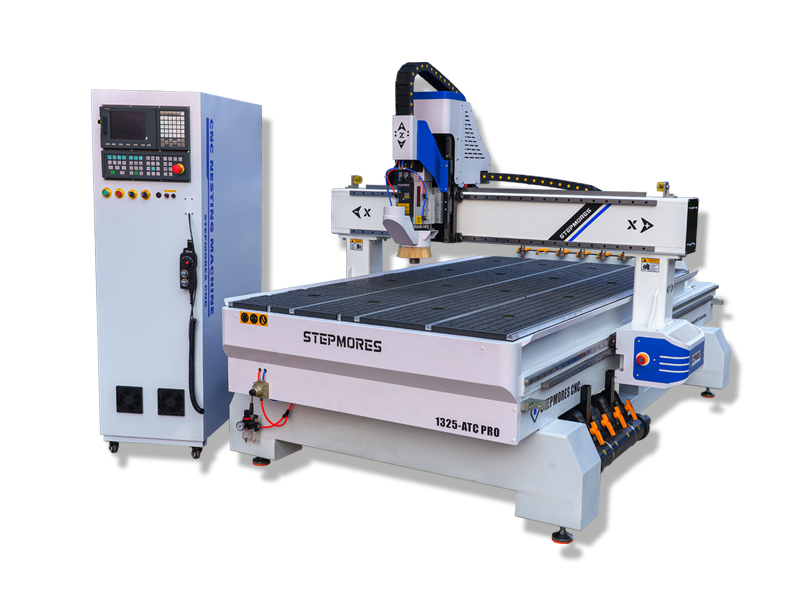
Ακρίβεια και Συνέπεια: Εξάλειψη της Ανθρώπινης Μεταβλητότητας
Πώς οι υπολογιστικά ελεγχόμενοι ξυλοκόπτες CNC διασφαλίζουν ακρίβεια κάτω του χιλιοστού και επαναλήψιμη ποιότητα εξαρτημάτων
Οι υπολογιστικά ελεγχόμενοι ξυλοκόπτες μπορούν να επιτύχουν εκπληκτικά υψηλά επίπεδα ακρίβειας, συνήθως εντός ±0,1 χιλιοστού. Αυτές οι μηχανές εξαλείφουν όλα εκείνα τα προβλήματα που συνδέονται με το χειροκίνητο έργο, όπως λάθη στις μετρήσεις, η κόπωση των χεριών που προκαλεί απόκλιση και η ανομοιόμορφη πίεση από τα εργαλεία. Ο στιβαρός άξονας, σε συνδυασμό με ακριβείς γραμμικούς οδηγούς και συστήματα ανάδρασης, διασφαλίζει την τέλεια ευθυγράμμιση κάθε φορά. Αυτό σημαίνει ότι κάθε κομμάτι που κατασκευάζεται για έπιπλα ή ντουλάπια έχει ακριβώς το ίδιο μέγεθος και το ίδιο σχήμα. Τα περισσότερα σύγχρονα συστήματα CNC διαθέτουν επίσης αυτόματες λειτουργίες βαθμονόμησης, οι οποίες προσαρμόζονται στη φθορά των εργαλείων κοπής κατά τη διάρκεια μακροχρόνιων παραγωγικών περιόδων. Ως αποτέλεσμα, οι κατασκευαστές παρατηρούν μείωση των αποβλήτων κατά περίπου 18 έως 27 τοις εκατό, καθώς κάθε εξάρτημα αντιστοιχεί ακριβώς στο ψηφιακό σχέδιο. Δεν υπάρχει πλέον λόγος ανησυχίας για ανθρώπινα λάθη ή εκτιμήσεις.
Επίλυση συνηθισμένων αποτυχιών χειροκίνητης κοπής: αποκόμματα, καύσεις και εσφαλμένη στοίχιση αυλακώσεων
Η τεχνολογία CNC επιλύει συστηματικά τρεις επίμονες χειροκίνητες ανωμαλίες κοπής μέσω προγραμματιζόμενου ελέγχου, ο οποίος βασίζεται σε φυσικές αρχές:
Πρόληψη αποκομμάτων βασίζεται σε βελτιστοποιημένους αλγόριθμους προώθησης/ταχύτητας που διατηρούν το ιδανικό φορτίο των αποκομμάτων, σε τεχνικές αντίστροφης κοπής (climb milling) που κόβουν καθαρά τις ίνες του ξύλου αντί να τις ανασηκώνουν, και σε κοπτικά εργαλεία συμπίεσης που υποστηρίζουν το υλικό τόσο από την επάνω όσο και από την κάτω επιφάνεια.
Εξάλειψη καύσεων επιτυγχάνεται μέσω διαχείρισης της θερμότητας: μεταβλητές ταχύτητες του άξονα (18.000–24.000 RPM) προλαμβάνουν τη συσσώρευση τριβής· η συνεχής κίνηση αποφεύγει την τοπική συγκέντρωση θερμότητας· και η ενσωματωμένη απορρόφηση σκόνης αφαιρεί εύφλεκτα σωματίδια προτού επιτευχθούν τα όρια ανάφλεξης.
Στοίχιση αυλακώσεων (dado joint) ωφελείται από την ακρίβεια ψηφιακής τοποθέτησης εντός ±0,2 mm—διασφαλίζοντας την τέλεια εγκατάσταση των αυλακώσεων χωρίς χειροκίνητη δοκιμαστική τοποθέτηση ή επανεργασία, η οποία συνήθως καταναλώνει το 15% του χρόνου ενός έργου στις παραδοσιακές ροές εργασίας.
Παραγωγικότητα Βασισμένη στην Αυτοματοποίηση: Από την Εγκατάσταση έως το Τελικό Εξάρτημα
Αυτοματοποίηση ολόκληρης της διαδικασίας στην παραγωγή ντουλάπων και επίπλων
Οι εργαστηριακές υπηρεσίες ξυλουργικής που επενδύουν σε CNC ρούτερ αποκτούν κάτι πολύ ιδιαίτερο: πλήρη αυτοματοποίηση, από τη στιγμή που φορτώνουν τα αρχεία CAD τους μέχρι την παραγωγή τελικών εξαρτημάτων. Αυτές οι μηχανές αναλαμβάνουν ολόκληρη τη διαδικασία με μία ενέργεια — μετακινούν τα υλικά, επιλέγουν τα κατάλληλα εργαλεία, πραγματοποιούν κοπές και γλυπτικά, ακόμη και συναρμολογήσεις. Οι πιο προηγμένες μηχανές διαθέτουν επίσης αυτόματους αλλαγείς εργαλείων (ATC) καθώς και έξυπνα συστήματα κενού που προσαρμόζουν την αναρρόφηση βάσει του μεγέθους και του σχήματος του εξαρτήματος που επεξεργάζεται η μηχανή. Αυτό καθιστά δυνατή την παραγωγή διαφορετικών ειδών στην ίδια μηχανή χωρίς διακοπή — είτε πρόκειται για πόρτες ντουλάπιων, είτε για μπροστινά μέρη συρταριών, είτε για εκείνα τα δύσκολα πόδια τραπεζιών με τα οποία φαίνεται ότι αγωνίζονται όλοι. Το αποτέλεσμα; Λιγότερος χρόνος αναμονής μεταξύ των εργασιών, πολύ λιγότερα προβλήματα στοιχείωσης κατά την εγκατάσταση (μιλάμε για μείωση των σφαλμάτων κατά περίπου 93% σε σύγκριση με την εργασία με το χέρι), και διαδικασίες που μπορούν να λειτουργούν αδιάκοπα ημέρα μετά από ημέρα χωρίς συνεχή επίβλεψη. Οι εργαστηριακές υπηρεσίες που παράγουν μεγάλους όγκους βρίσκουν αυτές τις συνεχείς διαδικασίες ανεκτίμητες για τη μείωση της εξάρτησης από εργαζόμενους, ενώ διατηρούν παράλληλα αυστηρές ανοχές ±0,1 mm σε ολόκληρες παραγωγικές σειρές.
Μετρήσιμη εξοικονόμηση χρόνου: CNC ξυλοκόπτης έναντι παραδοσιακού κοπτικού μηχανήματος
Οι πλεονεκτήματα στην παραγωγικότητα των CNC ξυλοκόπτηδων επιβεβαιώνονται συνεχώς μέσω πραγματικών μετρικών παραγωγής:
| Δείκτης απόδοσης | Παραδοσιακός κοπτικός τρόπος εργασίας | Φρεζέρα ξύλου cnc | Βελτίωση |
|---|---|---|---|
| Ώρες εργασίας ανά 100 μονάδες | 18–22 ώρες | 4–6 Ώρες | μείωση 70–80% |
| Μέσος Χρόνος Κύκλου | 45–60 λεπτά | 8–12 λεπτά | 75–85% ταχύτερα |
| Χρόνος ολοκλήρωσης παρτίδας | 3–5 ημέρες | 4–8 ώρες | επιτάχυνση κατά 90% |
Αυτά τα οφέλη προέρχονται από την αδιάλειπτη μηχανική υψηλής ταχύτητας, το έξυπνο λογισμικό διάταξης (nesting) που μειώνει τα απόβλητα υλικού έως και κατά 30% και την εξάλειψη της χειροκίνητης επανατοποθέτησης και της διόρθωσης λαθών. Ως αποτέλεσμα, οι κατασκευαστές εκπληρώνουν τις παραγγελίες τους ταχύτερα χωρίς να θυσιάζουν την ακρίβεια — και επαναπροσανατολίζουν το εξειδικευμένο εργατικό δυναμικό σε δραστηριότητες προστιθέμενης αξίας, όπως η σχεδίαση, ο έλεγχος ποιότητας και η βελτιστοποίηση των διαδικασιών.
Αποτελεσματικότητα κόστους: Μείωση της εξάρτησης από εργατικό δυναμικό και των αποβλήτων υλικού
Μείωση της εξάρτησης από εξειδικευμένο εργατικό δυναμικό υψηλής κατάρτισης, διατηρώντας παράλληλα την ποιότητα της παραγωγής
Οι ξυλουργικές επιχειρήσεις διαπιστώνουν ότι οι CNC ρούτερ εξαλείφουν την ανάγκη για δεκαετίες εμπειρίας όσον αφορά την επίτευξη ακριβών αποτελεσμάτων. Οι παραδοσιακές μέθοδοι απαιτούσαν συνήθως κάποιον να δαπανήσει χρόνια μαθαίνοντας πώς να κάνει εκείνες τις ακριβείς κοπές και τις περίπλοκες συνδέσεις με συνέπεια. Ωστόσο, με τις σύγχρονες μηχανές CNC, όλη αυτή η συσσωρευμένη γνώση ενσωματώνεται απευθείας στις διαδρομές κοπής της μηχανής. Αυτό σημαίνει ότι οι χειριστές δεν χρειάζεται πλέον να γνωρίζουν κάθε κόλπο του επαγγέλματος με τα χειροκίνητα εργαλεία. Αρκεί μια βασική εκπαίδευση στην προετοιμασία προγραμμάτων και στην παρακολούθηση της λειτουργίας της μηχανής. Το τελικό αποτέλεσμα; Εξαρτήματα με ακρίβεια μέτρησης εντός ±0,1 mm, υπέροχα ξυλόγλυπτα χωρίς ελαττώματα και αυλακώσεις (dados) που συμπίπτουν τέλεια κάθε φορά. Οι επιχειρήσεις αναφέρουν εξοικονόμηση περίπου 40% στις δαπάνες εργατικού δυναμικού, χωρίς να θιγεί η ποιότητα. Αυτό καθιστά μεγάλη διαφορά κατά τον ανταγωνισμό για συμβάσεις στην κατασκευή ντουλάπων και σε άλλα ξυλουργικά έργα, όπου η ακρίβεια έχει τη μεγαλύτερη σημασία.
Απόδοση επένδυσης από τη μείωση των αποβλήτων: Πώς η CNC ξυλοκόπτρια μειώνει τα απόβλητα υλικού και το κόστος επανεργασίας
Η εξοικονόμηση κόστους ξεκινά πραγματικά με το λογισμικό τοποθέτησης (nesting), το οποίο βοηθά στη μείωση των αποβλήτων υλικού μέσω πιο έξυπνων αλγορίθμων τοποθέτησης πλακών. Το λογισμικό εξουδετερώνει ουσιαστικά εκείνα τα ενοχλητικά προβλήματα, όπως η αποκόλληση ινών (tear out), οι καμένες άκρες και οι στραβές κοπές, που προκύπτουν συχνά κατά τη χειροκίνητη δημιουργία διατάξεων. Αυτά τα λάθη οδηγούν σε ακριβή επανεργασία και απόρριψη υλικών για την πλειονότητα των εργαστηρίων. Οι μεσαίου μεγέθους επιχειρήσεις συνήθως εξοικονομούν περίπου είκοσι χιλιάδες δολάρια ετησίως από ό,τι θα είχε διατεθεί διαφορετικά ως απόβλητο. Η πλειονότητα των επιχειρήσεων παρατηρεί την απόδοση της επένδυσής της σε χρονικό διάστημα μεταξύ δώδεκα και δεκαοκτώ μηνών μετά την εφαρμογή, καθιστώντας τη μείωση των αποβλήτων ένα ζήτημα που έχει σημασία τόσο για την καθημερινή λειτουργία όσο και για τα μακροπρόθεσμα αποτελέσματα του κέρδους.
Έξυπνα χαρακτηριστικά υλικού και λογισμικού που μεγιστοποιούν την απόδοση της CNC ξυλοκόπτριας
Βασικά χαρακτηριστικά που αυξάνουν την απόδοση: αυτόματοι αλλάζοντες εργαλείων, σπίντελες υψηλής ταχύτητας και έξυπνη ζωνοποίηση κενού
Οι άξονες που περιστρέφονται σε ταχύτητες άνω των 24.000 RPM πραγματοποιούν εξαιρετικά ακριβείς κοπές και διατηρούν ακρίβεια περίπου 0,1 mm, ακόμα και κατά την επεξεργασία περίπλοκων σχημάτων. Αυτό το επίπεδο ταχύτητας μειώνει πραγματικά τους χρόνους κύκλου κατά περίπου 30% για εκείνες τις δύσκολες κοπές προφίλ. Οι αυτόματοι αλλαγείς εργαλείων εξομαλύνουν ένα σημαντικό πρόβλημα για τους χειριστές: την αντικατάσταση των εργαλείων. Όταν οι μηχανές μπορούν να διανύουν, να γλυπτεύουν και να κόβουν προφίλ διαδοχικά χωρίς διακοπή, η παραγωγή συνεχίζεται ομαλά. Το έξυπνο σύστημα κενού αποτελεί επίσης μια επαναστατική βελτίωση: προσαρμόζει την πίεση αναρρόφησης σε διαφορετικές περιοχές του εργασιακού πάγκου, κρατώντας έτσι ασφαλή κομμάτια με ασυνήθιστο σχήμα ή ενσωματωμένα εξαρτήματα, ώστε να μην ολισθαίνουν κατά τη διάρκεια εντατικών εργασιών ρουτίνγκ. Όλες αυτές οι βελτιώσεις μαζί σημαίνουν ότι η προετοιμασία απαιτεί περίπου το μισό χρόνο από ό,τι παλαιότερα, ενώ τα προβλήματα στοιχειοθέτησης εξαφανίζονται σχεδόν εντελώς. Αυτό που κάποτε ήταν απλώς ένας αυτόνομος ρουτερ έχει τώρα μετατραπεί σε κάτι πολύ πιο αξιόλογο: ένα απαραίτητο στοιχείο οποιασδήποτε σοβαρής επιχείρησης ξυλουργικής παραγωγής που απαιτεί αξιόπιστα αποτελέσματα καθημερινά.
Συχνές Ερωτήσεις
Ποια είναι η τυπική ακρίβεια ενός CNC ξυλοκόπτη;
Οι CNC ξυλοκόπτες μπορούν να επιτύχουν ακρίβεια ±0,1 χιλιοστόμετρο, διασφαλίζοντας συνεπή ποιότητα σε όλες τις παραγωγικές σειρές.
Πώς προλαμβάνει ένας CNC ξυλοκόπτης συνηθισμένα προβλήματα κοπής, όπως το χτύπημα (chipping) και η καύση (burning);
Βελτιστοποιημένοι αλγόριθμοι προώθησης/ταχύτητας, τεχνικές ανερχόμενης φραιζαρίσματος (climb milling) και διαχείριση της θερμότητας μέσω μεταβλητών στροφών του άξονα βοηθούν στην πρόληψη του χτυπήματος και της καύσης. Η ενσωματωμένη απορρόφηση σκόνης συμβάλλει επίσης στην ελαχιστοποίηση αυτών των προβλημάτων.
Ποια είναι η εξοικονόμηση χρόνου που μπορούν να περιμένουν οι κατασκευαστές κατά τη χρήση ενός CNC ξυλοκόπτη;
Η εξοικονόμηση χρόνου περιλαμβάνει μείωση των ωρών εργασίας κατά 70–80 %, μείωση των μέσων χρόνων κύκλου κατά 75–85 % και μείωση του χρόνου ολοκλήρωσης παρτίδων κατά 90 % σε σύγκριση με τις παραδοσιακές μεθόδους κοπής.
Πώς συμβάλλει ένας CNC ξυλοκόπτης στην οικονομική απόδοση;
Οι CNC ξυλοκόπτες μειώνουν την εξάρτηση από ειδικευμένο εργατικό δυναμικό, εξοικονομούν περίπου 40 % στα έξοδα εργασίας και μειώνουν τα απόβλητα υλικού μέσω λογισμικού ευφυούς τοποθέτησης (intelligent nesting), οδηγώντας σε απόδοση επένδυσης (ROI) εντός 12–18 μηνών.
Περιεχόμενα
- Ακρίβεια και Συνέπεια: Εξάλειψη της Ανθρώπινης Μεταβλητότητας
- Παραγωγικότητα Βασισμένη στην Αυτοματοποίηση: Από την Εγκατάσταση έως το Τελικό Εξάρτημα
- Αποτελεσματικότητα κόστους: Μείωση της εξάρτησης από εργατικό δυναμικό και των αποβλήτων υλικού
- Έξυπνα χαρακτηριστικά υλικού και λογισμικού που μεγιστοποιούν την απόδοση της CNC ξυλοκόπτριας
- Συχνές Ερωτήσεις