
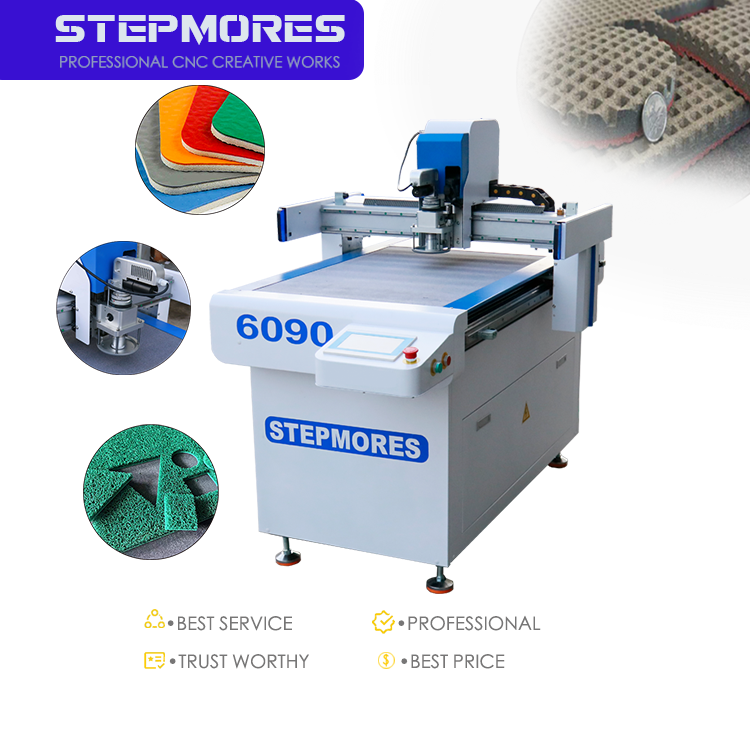
What Is a CNC Wood Router? Core Functionality and Key Benefits
CNC wood routers are basically computer controlled machines that take digital blueprints and turn them into real wooden creations. These devices use spinning bits following special code called G-code to cut, drill holes, and shape different kinds of material with amazing precision. What makes these machines so valuable compared to regular hand tools? They can reproduce complicated patterns exactly the same way every single time. This matters a lot when making multiple copies of something or working on detailed joints where consistency counts. Woodworkers love this feature because it saves time and reduces errors during large scale projects.
One major plus point is cutting down on waste by around 70 to 90 percent when compared to old school techniques according to Ponemon's research from last year. This comes about because materials can be arranged much more efficiently during processing. Woodworking routers work with all sorts of materials these days too. They tackle everything from heavy duty stuff like oak wood to man made options such as MDF panels. This versatility means makers can create anything from fancy wood inlay designs right through to load bearing parts for furniture. When connected to CAD CAM programs, operators get to see exactly how their cuts will look before actually making them. This preview system really helps cut down on mistakes and saves lots of valuable raw materials that would otherwise go to waste.
Performance Advantages
| Feature | Manual Tooling | CNC Wood Router |
|---|---|---|
| Precision Tolerance | ±1.5 mm | ±0.1 mm |
| Repeatability | Low | Near-perfect |
| Complex 3D Capability | Limited | High |
Operational efficiency is another major advantage: A single machine replaces carving knives, saws, and drill presses, reducing workshop footprint. For hobbyists, this technology democratizes access to professional-grade craftsmanship; for manufacturers, it enables scalable production without proportional labor increases.
Top Applications of a CNC Wood Router in Professional and Hobbyist Workshops
Custom Cabinetry and Precision Furniture Manufacturing
CNC wood routers have changed how we make cabinets and furniture, especially when it comes to doing intricate joinery work and getting those super consistent cuts that would be nearly impossible to do by hand. These machines can hit tolerances as tight as plus or minus 0.005 inches, which meets the ISO 2768 fine standard requirements. That kind of accuracy means pieces like dovetail joints, mortise and tenon connections, and detailed panel engravings fit together without gaps or misalignment. Shops that specialize in cabinetry rely on this level of precision for running batches of kitchen units efficiently. Meanwhile backyard woodworkers are creating beautiful tables and chairs that could last generations. The automation aspect really helps cut down on wasted materials too. Some studies show around 30% less waste compared to old school techniques according to Woodworking Network from last year. This makes it possible for smaller operations to offer custom designs without breaking the bank on material costs.
Architectural Millwork, Signage, and Decorative Wood Art
CNC routers can turn plain wood into amazing things like fancy crown moldings and big dimensional signs. These machines work their magic across multiple axes, carving out detailed 3D reliefs, those classic fluted columns we see so often, plus all sorts of custom logos right into hardwood, MDF panels, or even thick sheets of plywood down to almost perfect detail. For sign shops, the V-bit tool does really clean lettering jobs that stand out from afar. Meanwhile, creative types are making beautiful layered wooden mosaics and intricate relief sculptures that look surprisingly professional. What makes this technology interesting is how it levels the playing field for small workshop owners who want to take on big projects normally handled by massive manufacturing plants. A local studio might now tackle something as ambitious as designing the entire interior space for a new restaurant or creating special display cases for museums without breaking a sweat over production costs.
Material Compatibility and Router Bit Selection for Optimal CNC Wood Router Performance
Working with Hardwoods, Softwoods, Plywood, MDF, and Engineered Woods
Woodworking CNC routers work with all sorts of materials, though they need different approaches for each type. Oak and maple are tough customers, needing slower speeds and special cutting tools so they don't char during operation. Pine and other softwoods let machinists push things along at higher speeds without worrying about damage. When working with plywood, maintaining steady pressure is key to keeping those layers intact and preventing unsightly splinters. MDF creates lots of fine dust particles, so good vacuum systems become absolutely essential. Particleboard and similar engineered woods respond best to compression cutters that slice through both sides at once, giving cleaner edges overall. The hardness of the material really matters for how long tools last too. Hardwoods tend to eat away at router bits about 30 percent quicker than softer woods do, something every shop owner learns the hard way after replacing worn-out equipment.
Essential Router Bit Types: End Mills, V-Bits, Compression Bits, and Joinery Tools
Precision results hinge on matching bits to tasks:
- End mills (straight/fluted) excel at pocketing and profiling
- V-bits create sharp engraving details and chamfers
- Compression bits minimize tear-out in laminated materials
- Joinery tools, such as dovetail and mortising bits, enable seamless assembly
Carbide-tipped bits maintain sharpness five times longer than high-speed steel when routing abrasive composites. For hardwoods, up-cut spirals efficiently evacuate chips; down-cut variants yield smoother surface finishes in softwoods and thin laminates.
Getting Started with Your First CNC Wood Router: A Beginner's Practical Workflow
From Design to Cut: CAD Modeling, CAM Programming, and G-Code Execution
Starting out with a CNC wood router means turning what's on screen into something real using a pretty straightforward process in three main steps. For the first part, grab some CAD software such as Fusion 360 or maybe VCarve if that's what works best for you. These tools let folks create detailed 2D or even complex 3D models whether they want fancy carvings or just basic joints between pieces of wood. Then comes the CAM programming stage where all those beautiful designs get translated into actual commands for the machine. Here's where operators pick out things like how deep cuts should be made, how fast the router spins, and at what speed it moves across the material depending on what kind of wood and bits are being used. Once everything looks good, the CAM software spits out this thing called G-code which acts kind of like computer speak telling the router exactly where to go. Load that code into whatever control system your machine has. And before jumping into anything serious, always do a quick test run on some old scraps lying around workshop to check if everything runs smoothly without any mistakes happening. Taking this step by step approach helps cut down on wasted materials while making sure projects come out right, giving newbies enough confidence to move forward from their initial ideas all the way to having a completed project in hand.
FAQs
What is a CNC wood router used for?
CNC wood routers are used for precision cutting, drilling, and shaping various materials, mainly wood, to produce accurate parts and designs.
How does a CNC wood router improve efficiency?
A CNC wood router improves efficiency by reducing material waste, increasing repeatability and precision, and consolidating multiple tools into one machine.
Can CNC wood routers work with all types of wood?
Yes, CNC wood routers can work with a variety of wood types, including hardwoods, softwoods, plywood, MDF, and engineered woods, with tailored approaches for each.
What software is needed to operate a CNC wood router?
Software like CAD (Computer-Aided Design) and CAM (Computer-Aided Manufacturing) is essential for operating a CNC wood router, enabling design creation and machine programming.
Table of Contents
- What Is a CNC Wood Router? Core Functionality and Key Benefits
- Top Applications of a CNC Wood Router in Professional and Hobbyist Workshops
- Material Compatibility and Router Bit Selection for Optimal CNC Wood Router Performance
- Getting Started with Your First CNC Wood Router: A Beginner's Practical Workflow