
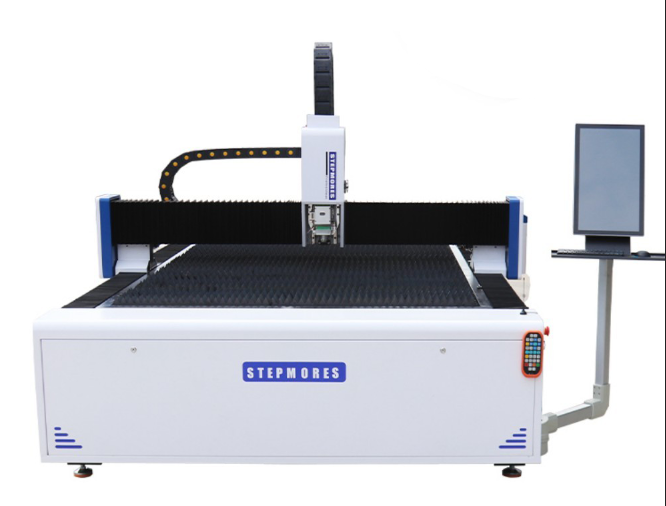
Cómo las máquinas de corte por láser de fibra CNC logran el corte de metales a alta velocidad
Calidad del haz y control de pulsos: habilitan la velocidad sin sacrificar la integridad del borde
La calidad del haz de los láseres de fibra, medida mediante factores M² cercanos a 1,0, les permite concentrar la energía en puntos tan pequeños como 30 micrómetros de diámetro. Esto genera densidades de potencia superiores a 10 millones de vatios por centímetro cuadrado. Al aplicarse al mecanizado de metales, este enfoque intenso provoca la fusión casi instantánea de los metales, generando muy poco calor residual. La tecnología emplea la modulación de pulsos en nanosegundos para ajustar la entrega de calor según el espesor del material. Por ejemplo, en el corte de acero inoxidable, a frecuencias superiores a 5 kilohercios, estos pulsos mantienen estable la piscina fundida al trabajar láminas de 3 mm de espesor. Esto permite velocidades de corte superiores a 15 metros por minuto, manteniendo al mismo tiempo la zona afectada por el calor por debajo de tan solo 0,1 milímetros de ancho. Las pruebas industriales demuestran que estos sistemas láser producen bordes limpios y libres de escoria a velocidades aproximadamente el doble de las alcanzadas con métodos tradicionales. Las mediciones del acabado superficial suelen ser inferiores a Ra 1,6 micrómetros, cumpliendo así la mayoría de los estándares industriales sin requerir pasos adicionales de procesamiento posterior.
Referencias de velocidad: fibra frente a CO₂ frente a plasma en acero dulce de 1–6 mm
Las comparaciones de rendimiento revelan diferencias notables de eficiencia entre las distintas tecnologías al procesar acero dulce:
| Espesor | Laser de fibra | Láser CO₂ | Plasma |
|---|---|---|---|
| 1 mm | 30–40 m/min | 12 m/min | 8 m/min |
| 3 mm | 12–18 m/min | 4 m/min | 3 m/min |
| 6 MM | 5–7 m/min | 2 m/min | 1,5 m/min |
Lo que otorga ventaja a los láseres de fibra es que absorben fotones aproximadamente un 30 % mejor a su longitud de onda de 1070 nm en comparación con los láseres de CO₂, que emiten a 10 600 nm. Los sistemas de corte por plasma presentan otro problema al trabajar con materiales delgados: los arcos tienden a volverse inestables, lo que puede afectar la precisión de las mediciones en aproximadamente medio milímetro en cualquier dirección. Al analizar los datos reales de rendimiento, los láseres de fibra cortan acero dulce de 4 mm aproximadamente un 35 % más rápido que otras opciones disponibles actualmente en el mercado. Además, consumen significativamente menos energía durante su funcionamiento, utilizando tan solo 1,8 kW frente al exigente requerimiento de 4,5 kW de los láseres de CO₂. Según hallazgos recientes del Consejo de Tecnología Industrial de Corte, publicados el año pasado, esto se traduce en un ahorro aproximado de 2,1 kWh por metro de material procesado.
Integración CNC y preparación para automatización destinada al rendimiento industrial
Optimización adaptativa en tiempo real de la trayectoria y control de retroalimentación en bucle cerrado
Las más recientes cortadoras láser de fibra CNC vienen equipadas con funciones inteligentes de ajuste de trayectoria que toman lecturas en tiempo real de sensores sobre aspectos como el grado de reflectividad del material y el tipo de deformación térmica que se produce durante el corte. Estas máquinas ajustan entonces sus trayectorias de corte sobre la marcha, sin interrumpir la producción. Lo que las distingue es este sistema de bucle cerrado, mediante el cual verifican constantemente si los cortes reales coinciden con los diseños originales CAD. Cuando se detecta incluso una mínima discrepancia —normalmente inferior a 0,03 mm en cualquier dirección—, la máquina se corrige automáticamente de inmediato. Todo este ajuste continuo permite que las fábricas reduzcan su desperdicio de material aproximadamente entre un 18 % y un 22 % en comparación con métodos anteriores. Además, estos sistemas avanzados siguen siendo capaces de cortar láminas metálicas finas a velocidades superiores a 40 metros por minuto. Los gerentes de fábrica con los que hemos hablado indican que los trabajos se completan aproximadamente un 30 % más rápido que antes, cuando se utilizaban configuraciones tradicionales que requerían ajustes manuales constantes y reinicios tras cada cambio de calibración.
Compatibilidad perfecta con la Industria 4.0: interfaces PLC, MES y OPC UA
Prepararse para la automatización industrial realmente depende de contar con buenas normas de comunicación en toda la planta. Cuando los sistemas PLC están debidamente integrados, permiten que los robots periféricos trabajen juntos de forma perfecta en tareas como la carga y descarga de materiales. Asimismo, la conexión con los sistemas MES brinda a los gestores información en tiempo real sobre lo que ocurre en la línea de producción. ¿Y esas interfaces OPC UA? También son bastante importantes, ya que permiten el intercambio seguro de datos entre las máquinas de corte y el software ERP, sin problemas de compatibilidad. Esta configuración completa posibilita el mantenimiento predictivo, lo que reduce aproximadamente un 25 % las averías inesperadas de las máquinas. Además, las fábricas pueden rastrear con exactitud cuánta energía consume cada unidad durante su funcionamiento. Las plantas que han implementado este tipo de conexiones suelen alcanzar una utilización de sus equipos del 92 %, ya que todo fluye con gran fluidez cuando los flujos de trabajo se gestionan desde una ubicación central.
Ventajas de precisión de la máquina de corte láser por fibra CNC en aplicaciones del mundo real
Baja zona afectada por el calor (HAZ), ranura mínima y precisión de ±0,03 mm: física de la entrega en modo único a 1070 nm
Las máquinas de corte por láser de fibra CNC obtienen su notable precisión mediante el uso de una longitud de onda monomodo de 1070 nm. El intenso haz genera un punto focal menor de 0,1 mm, lo que reduce la zona afectada térmicamente, donde se altera la estructura del metal. Esto es especialmente importante al trabajar con chapas finas de acero inoxidable, ya que ayuda a prevenir deformaciones no deseadas durante el proceso de corte. En cuanto al ancho de la ranura de corte (kerf), estas máquinas pueden alcanzar valores de aproximadamente 0,15 mm, lo que permite un ajuste más estrecho entre las piezas y reduce considerablemente el desperdicio de material. Lo que distingue a esta tecnología es su capacidad para mantener de forma constante la calidad del haz a lo largo de toda la pieza de trabajo. Esta estabilidad garantiza una precisión dimensional dentro de ± 0,03 mm, cumpliendo así los estrictos requisitos exigidos en la fabricación de componentes aeroespaciales y formas intrincadas. Lo más importante es que dicha precisión permite, con frecuencia, prescindir de cualquier operación de acabado adicional tras el corte.
Mejoras operativas cuantificables: cortes un 30–50 % más rápidos y un 35 % menos de consumo energético por metro
Los números cuentan una historia clara sobre la mejora de la eficiencia. Los láseres de fibra logran cortar acero suave de 1 a 3 mm a velocidades un 30 % a un 50 % superiores a las de los sistemas tradicionales de CO₂. Esto se debe a que absorben mejor los fotones a la longitud de onda de 1070 nm y presentan, en general, un rendimiento óptico mucho superior. Otra ventaja importante es la excitación directa mediante diodos, lo que reduce el calor residual y hace que estas máquinas consuman aproximadamente un 35 % menos de energía por metro procesado en comparación con equipos anteriores. Al acortarse los ciclos de producción, las empresas reducen los costes laborales por unidad fabricada, mientras que su producción diaria aumenta en más del 40 %. En conjunto, las mejoras de velocidad, la mayor precisión y la menor demanda energética posicionan a la tecnología CNC de láser de fibra como la opción estándar para los fabricantes que gestionan grandes volúmenes y mezclas diversas de productos en distintos sectores industriales.
Preguntas frecuentes
¿Cuáles son los principales beneficios de utilizar máquinas CNC de corte por láser de fibra?
Las máquinas de corte por láser de fibra CNC ofrecen corte de metales a alta velocidad, una calidad de haz superior y eficiencia energética. Permiten lograr cortes precisos con zonas afectadas térmicamente mínimas y menor desperdicio de material.
¿Cómo se comparan los láseres de fibra con los cortadores de CO₂ y de plasma?
Los láseres de fibra son más eficientes que los cortadores de CO₂ y de plasma, especialmente en materiales delgados. Proporcionan cortes más rápidos, consumen menos energía y mantienen una mayor precisión gracias a una mejor absorción de fotones a su longitud de onda específica.
¿Qué papel desempeña la automatización en el funcionamiento de estas máquinas?
La automatización mejora la eficiencia de las máquinas de corte por láser de fibra CNC al permitir la optimización adaptativa en tiempo real de la trayectoria de corte y la integración perfecta con los estándares de la Industria 4.0, lo que reduce los tiempos de inactividad y el desperdicio de material.
¿Cómo logran estas máquinas su precisión?
La precisión se logra mediante el uso de una longitud de onda monomodal de 1070 nm, lo que permite un ancho de corte mínimo y una alta precisión dimensional. Esto mantiene la calidad del haz a lo largo de las piezas de trabajo, reduciendo la necesidad de acabados adicionales.