
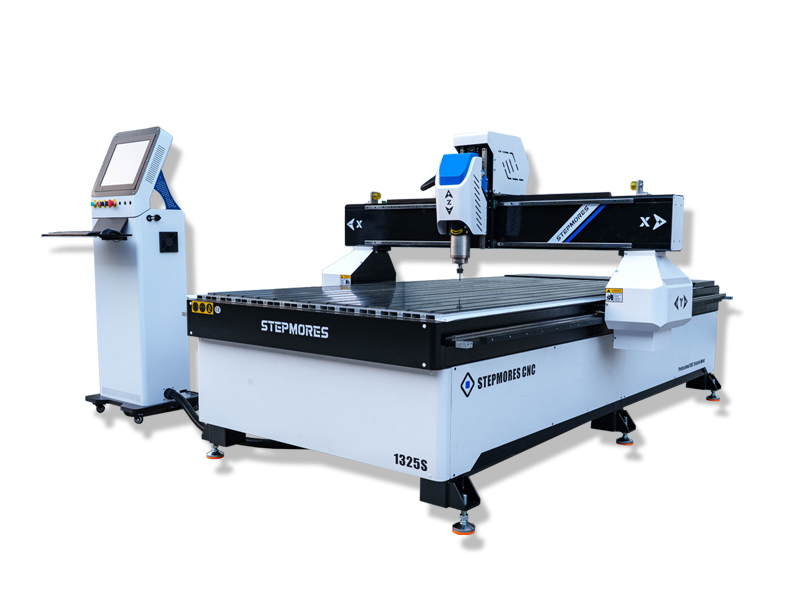
La scelta del router CNC ideale è una delle decisioni più critiche per ottimizzare l'efficienza produttiva, la qualità dei prodotti e la redditività a lungo termine. Un router CNC adeguatamente dimensionato aumenta la produttività, riduce gli sprechi di materiale, diminuisce i tempi di fermo e garantisce un output costante tra diversi lotti. Questa guida analizza in modo professionale e pratico i fattori chiave che vi aiuteranno a selezionare il router CNC più adatto alla vostra linea di produzione, ai materiali trattati e agli obiettivi aziendali.
1. Abbinare i materiali e le applicazioni alle capacità del router CNC
Il tipo di materiale e le operazioni di lavorazione definiscono i requisiti fondamentali del vostro router CNC. Materiali diversi richiedono potenze del mandrino, rigidità, controllo della velocità e configurazioni degli utensili specifici. Per lavori di falegnameria, realizzazione di mobili su misura, arredamento e progetti con pannelli MDF, una fresatrice CNC standard dotata di mandrino raffreddato ad acqua da 1,5–3,0 kW garantisce prestazioni affidabili. Per acrilico, PVC, schiuma e compositi morbidi, privilegiare precisione e qualità del taglio con regolazione stabile della velocità. Se si lavorano alluminio, ottone o altri metalli non ferrosi, è consigliabile passare a una fresatrice CNC con struttura rinforzata, dotata di mandrini ad alta coppia da 3,0–6,0 kW e sistemi di raffreddamento potenziati. Scegliete sempre una fresatrice CNC progettata per gestire il materiale più impegnativo che dovrete lavorare, non solo i vostri lavori medi. Ciò evita sovraccarichi, finiture scadenti e usura prematura della macchina.
2. Area di lavoro e scala produttiva: le dimensioni contano per l’efficienza
Il piano di lavoro della vostra fresatrice CNC influisce direttamente sull’utilizzo del materiale e sull’efficienza dei lotti. Per l’ottimizzazione del nesting su lastre intere, un piano di lavoro da 1300×2500 mm o 1500×3000 mm massimizza il rendimento del materiale e riduce i tempi di movimentazione. Piccoli laboratori o produttori di insegne possono invece optare per modelli compatti per risparmiare spazio sul pavimento, mantenendo comunque versatilità. La produzione su larga scala richiede una fresa CNC con una struttura resistente per garantire un funzionamento prolungato. Le configurazioni a doppio piano consentono il caricamento e lo scaricamento continui, migliorando notevolmente il tempo di attività. Adattare l’ingombro della fresa CNC alla disposizione del vostro laboratorio e al flusso dei materiali per evitare colli di bottiglia durante le fasi di caricamento, taglio e scaricamento.
3. Mandrino, sistema di movimentazione e rigidità strutturale
Il mandrino è il cuore di qualsiasi fresa CNC. Per una produzione continua, scegliere un mandrino raffreddato ad acqua con giri al minuto (RPM) stabili e vibrazioni ridotte. Una potenza superiore consente avanzamenti più rapidi e tagli più profondi, riducendo il tempo di ciclo per singolo pezzo. Telai in acciaio rigidi e guide lineari riducono le vibrazioni, garantendo tolleranze strette e finiture superficiali lisce. Un telaio poco rigido provoca imprecisioni, rumore durante il funzionamento e una durata inferiore degli utensili. Per intagli 3D complessi, incisioni a rilievo o componenti ad alta precisione, un telaio robusto della fresa CNC è indispensabile. I sistemi di movimento, come i viti a ricircolo di sfere e gli azionamenti servo, migliorano precisione e reattività, mentre i sistemi a cremagliera e pignone favoriscono la lavorazione ad alta velocità di lastre. Scegli in base al fatto che la tua produzione dia priorità alla velocità o all’accuratezza.
4. Funzionalità di automazione che aumentano la produttività
La produzione moderna si basa sull’automazione per ridurre i costi del lavoro e migliorare la coerenza. Una fresa CNC dotata di un cambio automatico utensili (ATC) minimizza l’intervento manuale e riduce i tempi di attrezzaggio tra le operazioni. I tavoli a vuoto fissano le lastre rapidamente e consentono cambi di lavoro veloci, ideali per parti nidificate e pannelli di grandi dimensioni. I modelli di fresatrici CNC a multi-testa e rotanti supportano il multitasking e la lavorazione di pezzi cilindrici, ampliando la tua gamma di prodotti senza dover acquistare macchine aggiuntive. Per la produzione in lotti, le funzionalità di automazione trasformano una fresa CNC standard in un centro produttivo ad alta efficienza.
5. Compatibilità software e assistenza post-vendita
Un router CNC performante richiede un software compatibile per sfruttarne appieno il potenziale. Assicurarsi che la macchina funzioni senza problemi con i principali programmi CAD/CAM per un facile importazione dei disegni, la generazione dei percorsi utensile e l’ottimizzazione del nesting. Controlli intuitivi riducono i tempi di formazione e gli errori operativi. Un supporto post-vendita affidabile, che includa risoluzione remota dei problemi, formazione in loco e disponibilità di ricambi, garantisce il funzionamento continuo del router CNC con tempi di fermo minimi. L’assistenza a lungo termine influisce direttamente sul costo totale di proprietà e sulla stabilità produttiva.
6. Costo totale di proprietà e valore a lungo termine
Quando si investe in un router CNC, non considerare soltanto il prezzo iniziale. Calcolare i costi degli utensili, della manutenzione, del consumo energetico, del rendimento dei materiali e dell’efficienza del lavoro. Un router CNC di prezzo ragionevole ma durevole offre spesso un ritorno sull’investimento (ROI) migliore rispetto a una macchina economica ma poco performante, che causa frequenti inconvenienti. Scegli un router CNC che supporti aggiornamenti futuri, come mandrini più potenti, assi aggiuntivi o moduli di automazione. Ciò ne prolunga la durata operativa e lo rende adatto a soddisfare esigenze produttive in continua crescita.
Considerazioni finali
Scegliere il router CNC giusto significa trovare un equilibrio tra le esigenze relative ai materiali, la scala produttiva, i requisiti di precisione, il livello di automazione e il valore a lungo termine. Un router CNC scelto correttamente diventa un asset fondamentale che migliora la qualità dei prodotti, ottimizza il flusso di lavoro e rafforza il vantaggio competitivo. Valutando ciascun fattore in modo sistematico, è possibile investire in un router CNC che si allinei alle proprie operazioni attuali e sostenga una crescita aziendale sostenibile.
Indice
- 1. Abbinare i materiali e le applicazioni alle capacità del router CNC
- 2. Area di lavoro e scala produttiva: le dimensioni contano per l’efficienza
- 3. Mandrino, sistema di movimentazione e rigidità strutturale
- 4. Funzionalità di automazione che aumentano la produttività
- 5. Compatibilità software e assistenza post-vendita
- 6. Costo totale di proprietà e valore a lungo termine
- Considerazioni finali